24 Face-Framing Layers That Enhance Your Features
Face-framing layers are a simple way to add dimension and personality to your hairstyle without a complete overhaul. They can soften sharp features, highlight your cheekbones, and give your hair more movement. Whether you have straight, wavy, or curly hair, strategically placed layers around your face can transform your look while remaining low-maintenance. You don’t need a professional salon visit every time; a few small adjustments at home or with your stylist can make a big difference. From subtle curtain layers to bold, choppy cuts, these styles can complement any face shape. This guide explores 24 different approaches to face-framing layers, giving you practical tips, budget-friendly ideas, and inspiration for your next haircut.
Soft Curtain Layers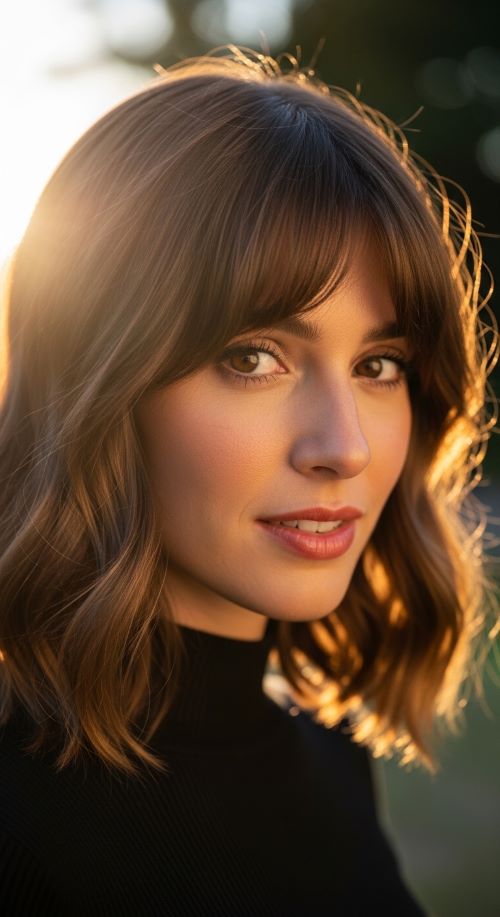
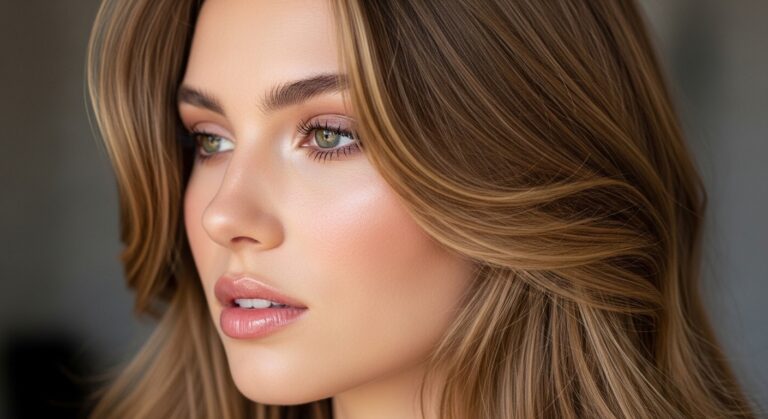
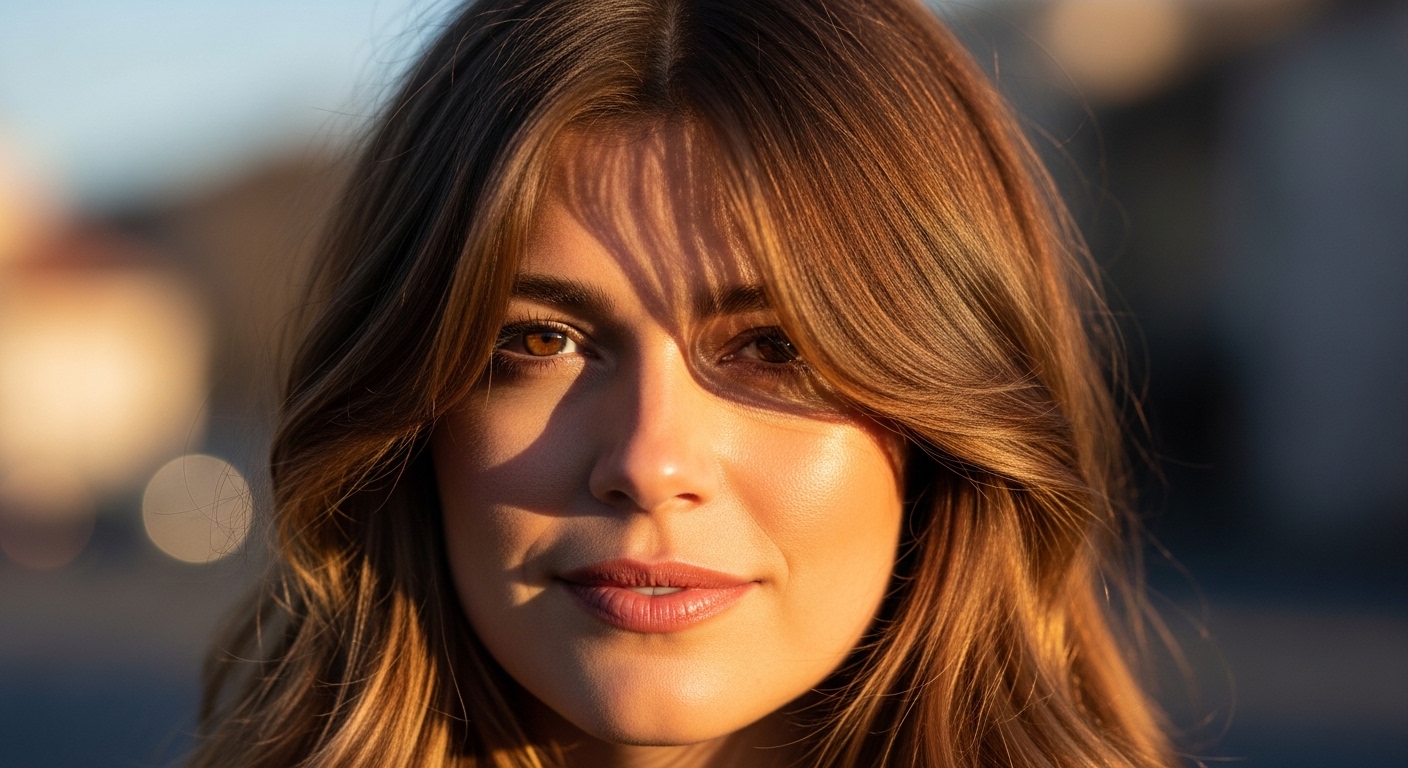
Soft curtain layers frame the face naturally, drawing attention to your eyes and cheekbones. They work well with medium to long hair and create a relaxed, effortless vibe. You can achieve this look by asking your stylist to cut longer layers that start around the cheekbones and gently taper toward the ends. At home, use a round brush while blow-drying to slightly curl the layers outward for a soft finish. This style is versatile and grows out gracefully, so you don’t need frequent trims. Pair it with a middle part to enhance symmetry or a side part for subtle drama. Adding lightweight styling cream keeps layers defined without stiffness. Curtain layers are a low-commitment way to experiment with movement and volume, making your hair look polished even on busy mornings.
Choppy Layered Bangs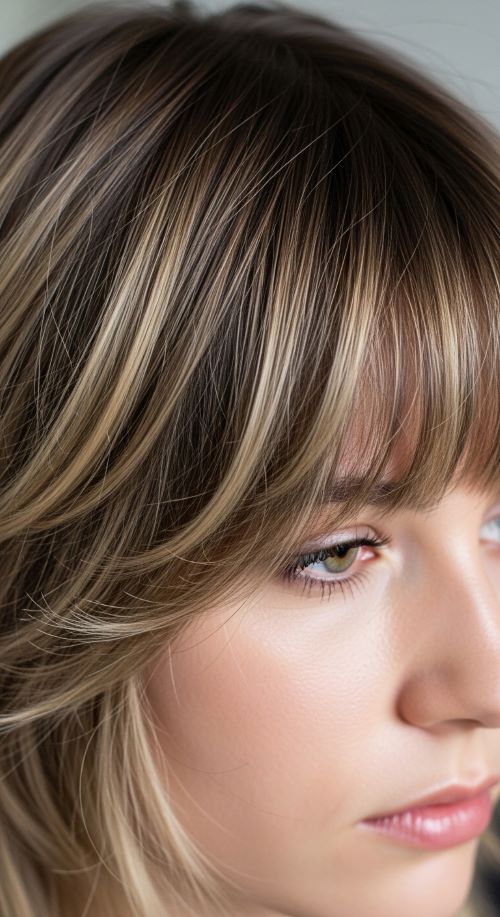
Choppy layered bangs give a modern edge while highlighting your features. The uneven lengths create texture and motion, which is especially flattering for fine or straight hair. To get this look, start with bangs that fall just above or below your eyebrows and add slight layering at the sides. You can refresh the style at home by trimming the ends carefully with hair-cutting scissors or using a razor for a softer effect. This cut works well with casual waves or sleek straight hair. Styling products like light texturizing sprays can make the layers pop without weighing them down. Choppy layers add personality without overwhelming your overall haircut, making your face appear more open and expressive. It’s a budget-friendly way to keep your hairstyle current with minimal effort.
Wispy Layers for Thin Hair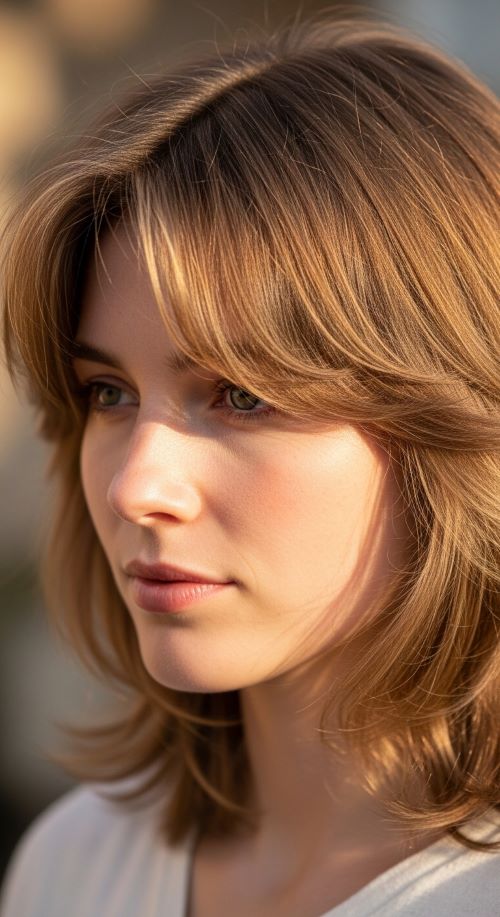
Wispy layers can make thin hair look fuller and more dynamic. Cutting delicate, feathered strands around your face gives the illusion of volume while maintaining length. When styling at home, use a lightweight mousse or volumizing spray at the roots, then finger-comb the layers for movement. Avoid heavy conditioners that weigh down the strands. Wispy layers also soften jawlines and add a gentle frame to the face. Ask your stylist to cut layers starting near the chin, blending them subtly into longer hair. This approach works with straight, wavy, or slightly curly hair and grows out without looking uneven. With the right styling products, you can create the appearance of more hair without drastic cuts or expensive treatments, keeping your look natural yet polished.
Face-Framing Layers with Curls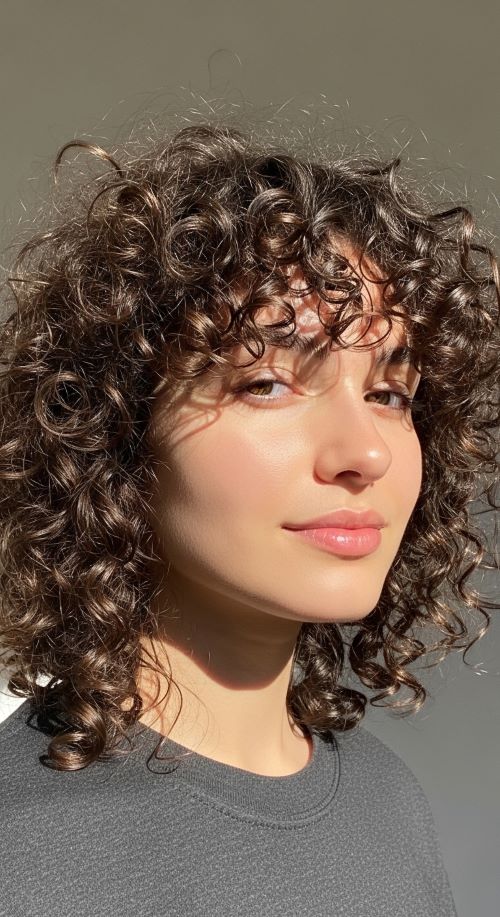
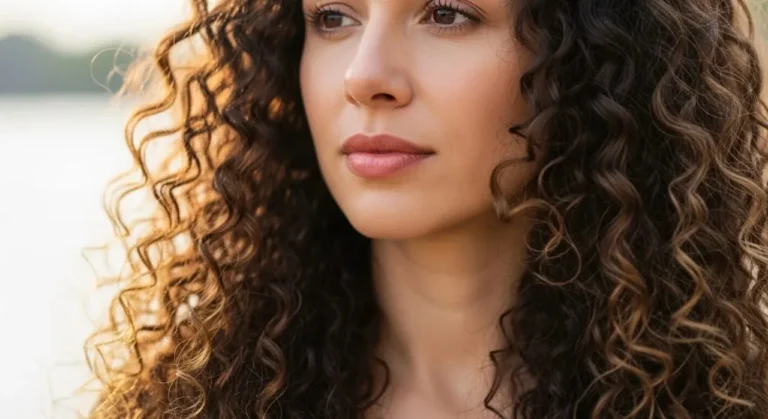
Curly hair comes alive with face-framing layers. The layers prevent curls from forming a triangle shape and allow your natural texture to shine. Start by cutting shorter layers around the forehead and cheekbones while leaving length at the back. When styling, scrunch in curl cream or mousse to enhance definition. Avoid combing through curls after styling to maintain shape. Layers reduce bulk and make curls more manageable while softening features. This style works with tight coils and loose waves alike, giving your curls movement and bounce. Even at home, diffusing your hair with a low-heat setting can encourage natural curl patterns without frizz. Face-framing curls highlight your features while keeping your hairstyle lively and vibrant.
Long, Layered Side Swept Hair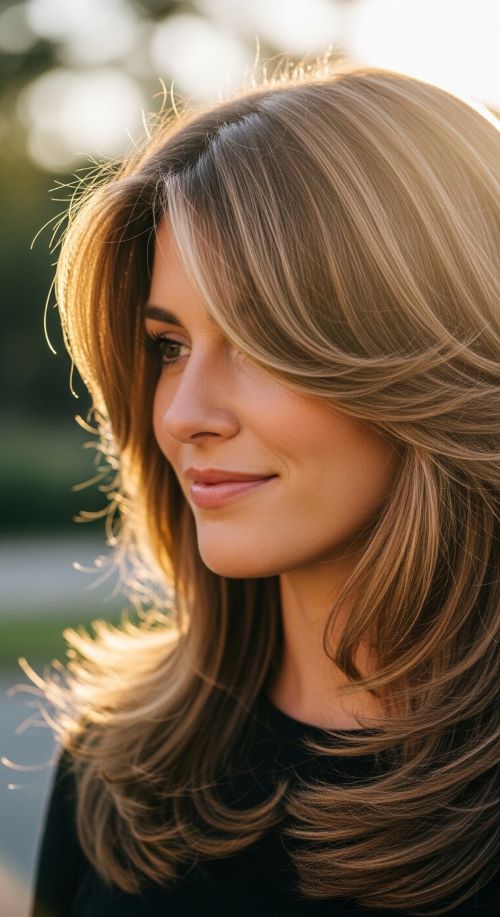
Side-swept layers add elegance and structure to long hair. Layers starting at the jawline and blending into longer lengths soften the face and add natural flow. Styling is simple: blow-dry with a round brush and sweep the hair to one side. Lightweight hair serum can smooth ends and enhance shine. This look works for casual days and formal events alike. It also helps balance angular features, providing a flattering silhouette. For a DIY approach, long layers can be trimmed at home by sectioning the hair and carefully cutting small increments at an angle. Regular upkeep every few months keeps the edges fresh, while the layers continue to frame your face beautifully.
Layered Bob with Face Framing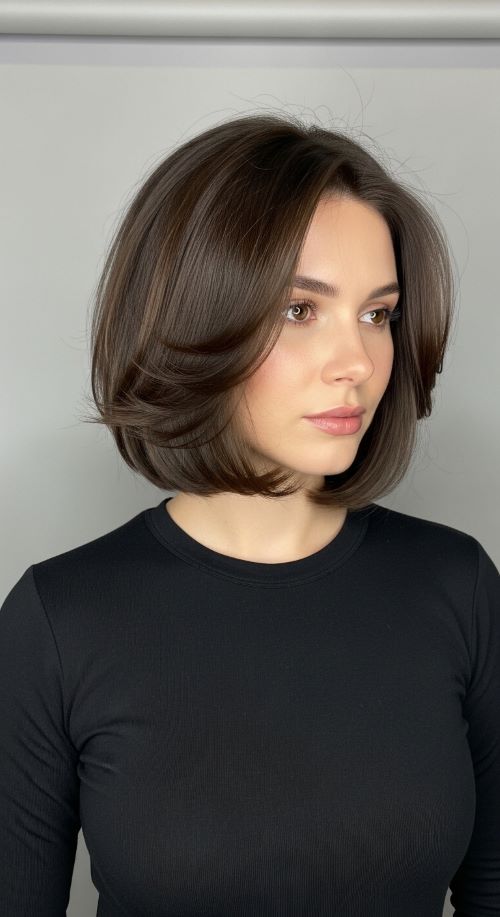
A layered bob gives classic haircuts a modern twist. Layers around the face prevent a blunt bob from appearing harsh, adding softness and movement. You can style this with a straightener for sleekness or add waves with a curling wand. For a more casual look, tousle the ends with a light texturizing spray. This cut suits all face shapes but is especially effective for round or square faces, providing subtle contouring. Home maintenance is simple: regular trims every 6–8 weeks keep the layers defined, while the overall bob remains structured. Layered bobs are stylish, low-maintenance, and adaptable to both professional and casual settings.
Feathered Layers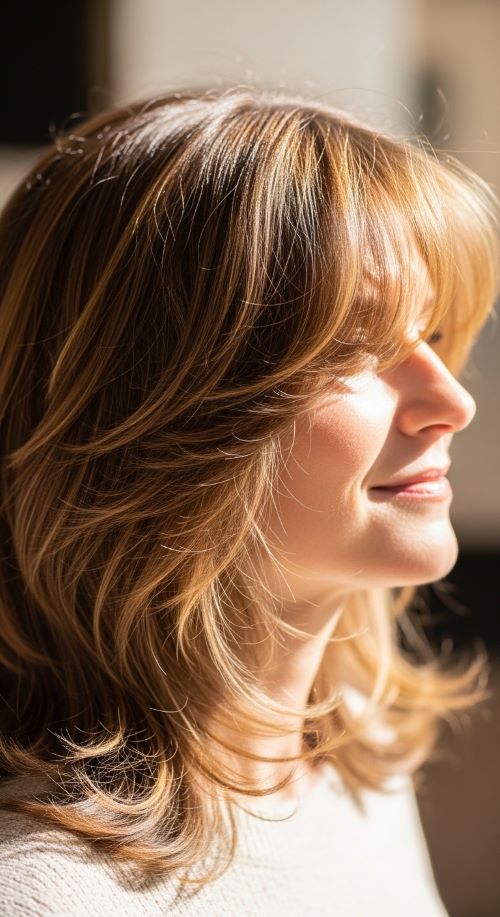
Feathered layers create a soft, airy look that highlights facial features without overwhelming them. Start the layers around the cheekbones and taper gradually toward the ends. Feathered layers add texture, making hair appear lighter and more voluminous. Styling can be as simple as blow-drying with a paddle brush or using fingers to tousle the hair for a casual finish. This technique works with medium to long hair and complements most face shapes. Feathered layers are ideal for anyone looking to add subtle dimension without a major haircut, providing movement and a polished appearance that feels effortless.
Layered Pixie Cut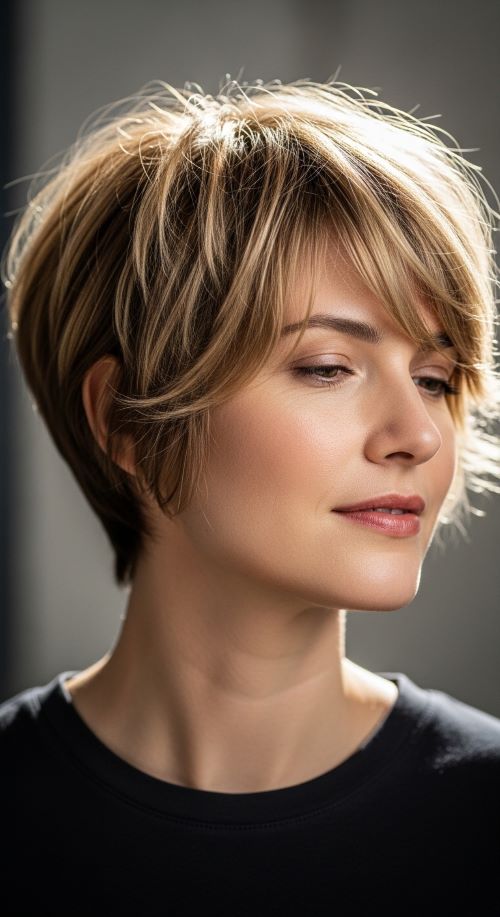
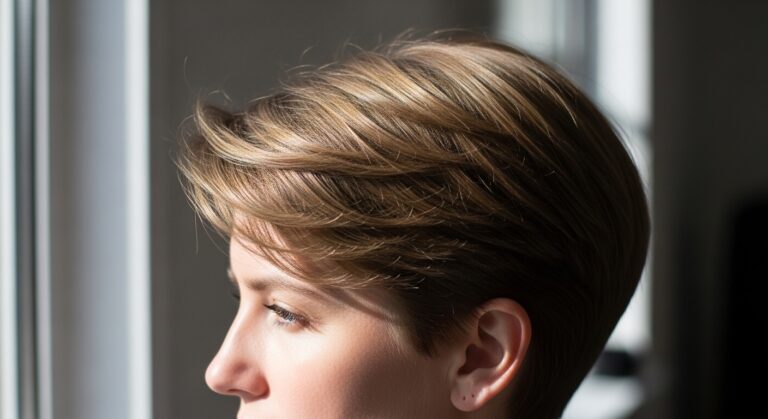
Pixie cuts become more dynamic with layers around the face. Layering adds softness to sharp jawlines and brings attention to eyes and cheekbones. Short layers on top provide volume while side layers taper gently toward the ears. Styling is minimal; a bit of pomade or texturizing cream can define strands. This cut works for straight and wavy hair and grows out in a flattering way. It’s perfect for anyone wanting a bold, chic look that is easy to maintain. Face-framing layers keep the pixie feminine and versatile, offering fresh options for styling without daily effort.
Layered Shag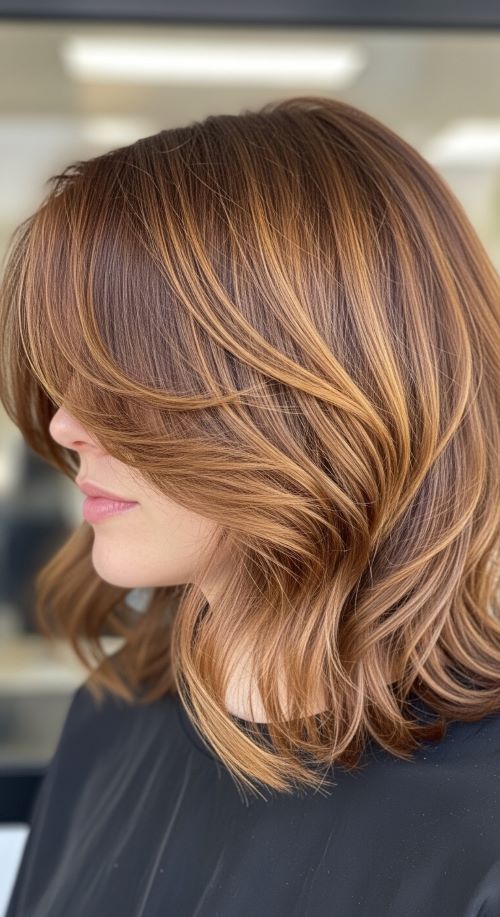
A layered shag adds personality while keeping hair light and movable. The layers around the face soften features and highlight the cheekbones. Shags are great for thick or wavy hair, reducing bulk while keeping volume. Styling can be done with sea salt spray for texture or a round brush for smoothness. Shags grow out gracefully and work with casual or formal outfits. DIY-friendly tweaks, like trimming ends slightly or adding small face layers, can refresh the style between salon visits. This look is playful yet practical, giving your hair a lived-in texture that complements most face shapes.
Layered Hair with Highlights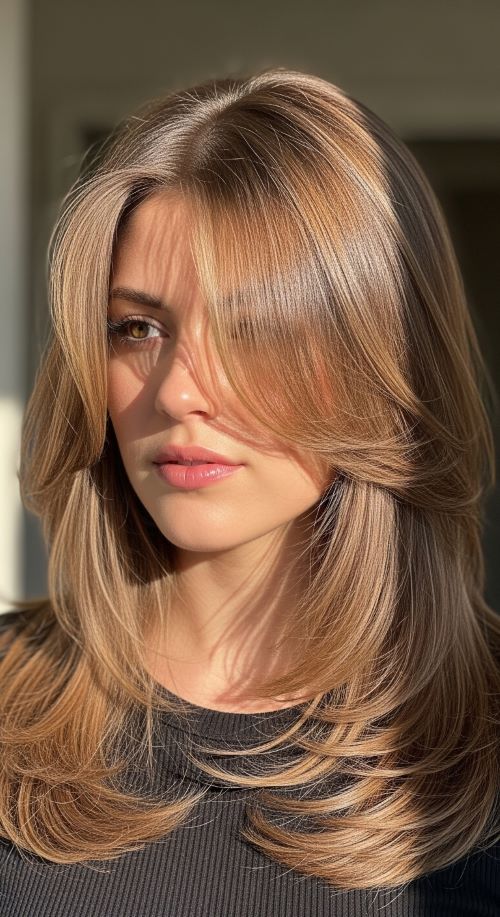
Adding highlights to face-framing layers enhances dimension and makes layers pop. Highlights around the face draw attention to features while blending naturally with the rest of the hair. You can choose subtle balayage or lighter tips for low maintenance. Styling is simple: blow-dry with fingers or a round brush to show off the color and movement. This approach works with straight or wavy hair, creating a sun-kissed effect without heavy upkeep. Face-framing highlights make your hairstyle look bright and fresh, giving your layers extra depth and visual interest.
Layered Waves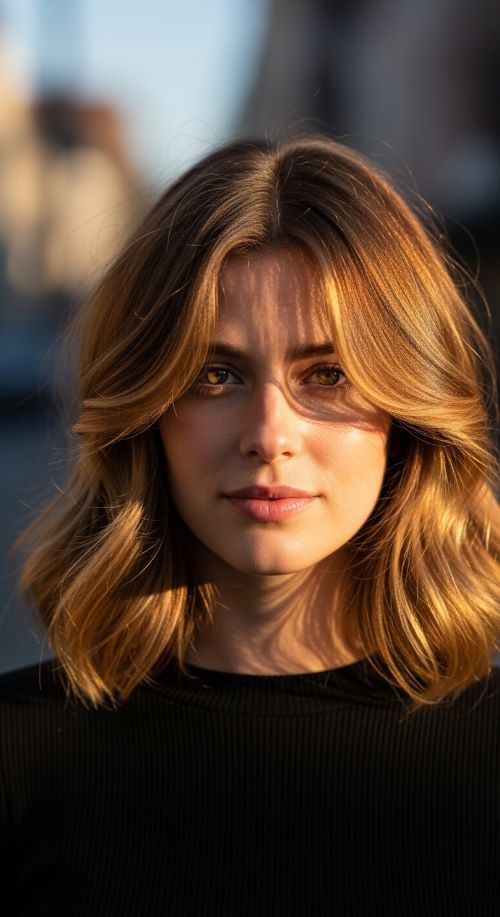
Layered waves give hair natural volume and a relaxed vibe. The face-framing layers add definition without weighing down the waves. For a DIY approach, use a curling wand to create loose waves and tousle them with fingers for softness. Light styling mousse or texturizing spray keeps waves defined without stiffness. This look works well for medium to long hair and flatters most face shapes. You can switch between a middle part or side part to change the effect subtly. Waves with layers create movement and enhance the natural shape of your hair while keeping it playful and chic.
Angled Face-Framing Layers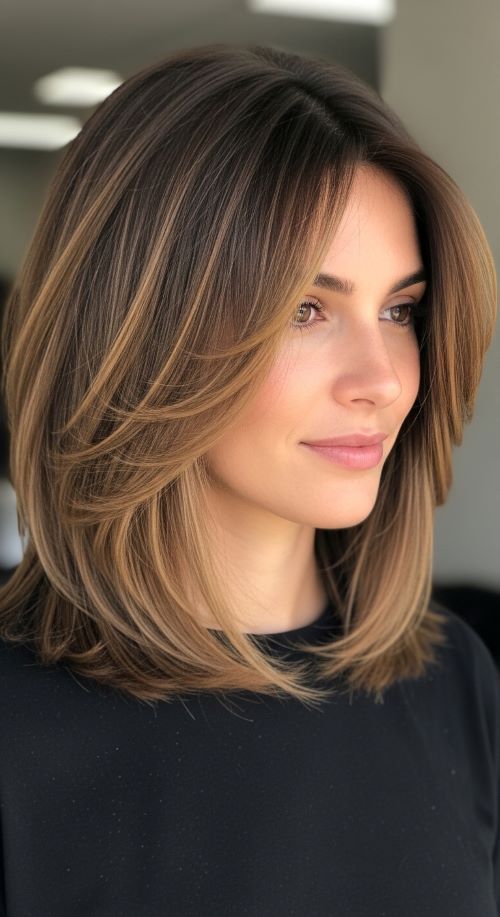
Angled layers provide a dynamic contour to your face. The longer layers at the front soften jawlines and cheekbones while giving hair a flowing look. This style works for straight, wavy, and even curly hair. At home, you can maintain the angle by trimming the ends slightly every few weeks and using a round brush while blow-drying. Layered angles highlight features and create a flattering silhouette. It’s a simple cut that feels intentional and polished, making your hair look fuller and more structured without heavy styling.
Layered Hair with Side Bangs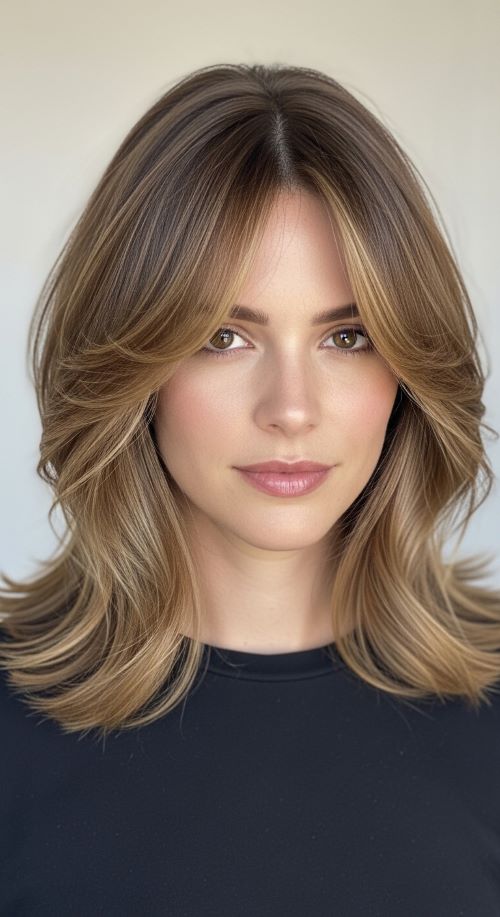
Side bangs paired with layers create a soft, versatile look. They can partially cover the forehead, balance features, and draw attention to the eyes. To style at home, blow-dry bangs with a round brush while sweeping them to the side. Layers should start around the cheekbones to blend naturally. This look works with straight or wavy hair and grows out gracefully. It’s a low-maintenance way to update your hair without losing length. Side bangs add a playful yet sophisticated dimension to your layers, keeping your look effortless.
Layered Hair with Face-Framing Highlights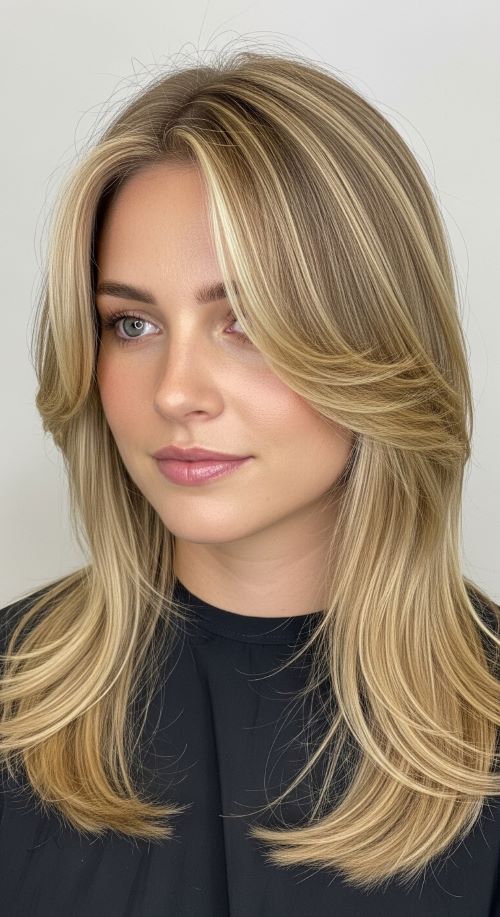
Face-framing highlights make layers more noticeable and add depth to your hair. Subtle blonde or caramel tones around the face bring warmth and brighten your overall appearance. At home, you can enhance these highlights with a shine serum or a lightweight conditioner that prevents dulling. This style works for straight or wavy hair and suits most hair colors. Highlights emphasize your face-framing layers, making your features pop without drastic color changes. It’s an easy way to refresh your style without committing to a full dye job.
Layered Hair with Soft Flick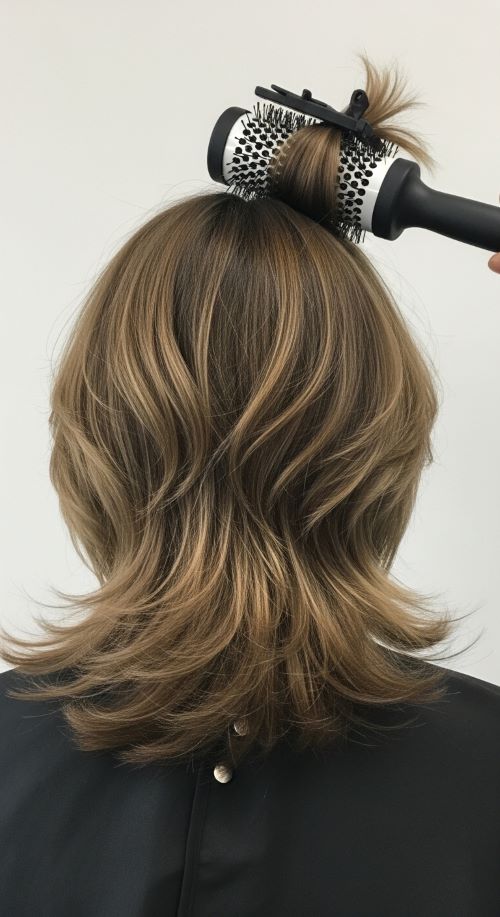
Soft flicks at the ends of layers create playful movement and a casual, polished vibe. To achieve this at home, use a round brush or flat iron to flick ends outward while blow-drying. This style adds lightness around the face and balances longer hair. Flicked layers are perfect for medium-length hair and require minimal effort to maintain. They help the hair look dynamic and lively, making a simple haircut appear more styled. This technique works with both straight and wavy hair types, enhancing natural texture.
Layered Hair for Round Faces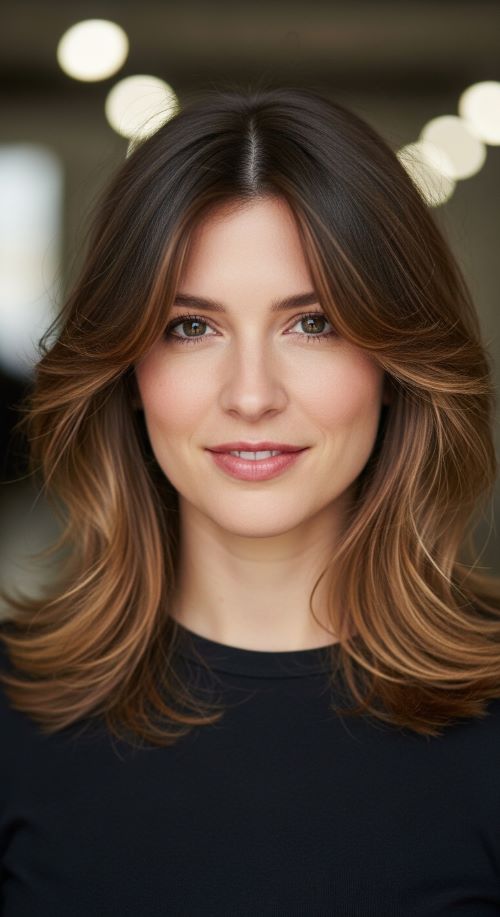
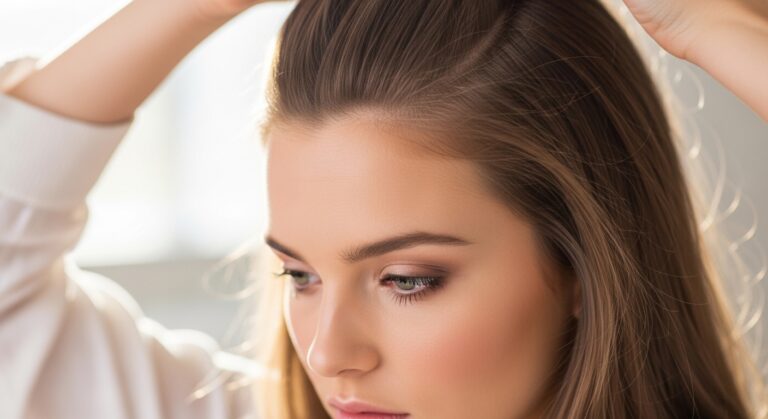
Layers can be tailored to complement round face shapes by creating vertical lines and soft angles. Start layers around the chin and taper them down to draw attention away from the width of the face. Avoid heavy layers at the cheeks, as they can add volume where you don’t want it. Styling at home is simple: blow-dry with a round brush to slightly lift the roots and create a lengthening effect. This approach balances your features and adds subtle sophistication. Tailored layers make hair look structured yet soft, ideal for everyday wear.
Layered Hair for Square Faces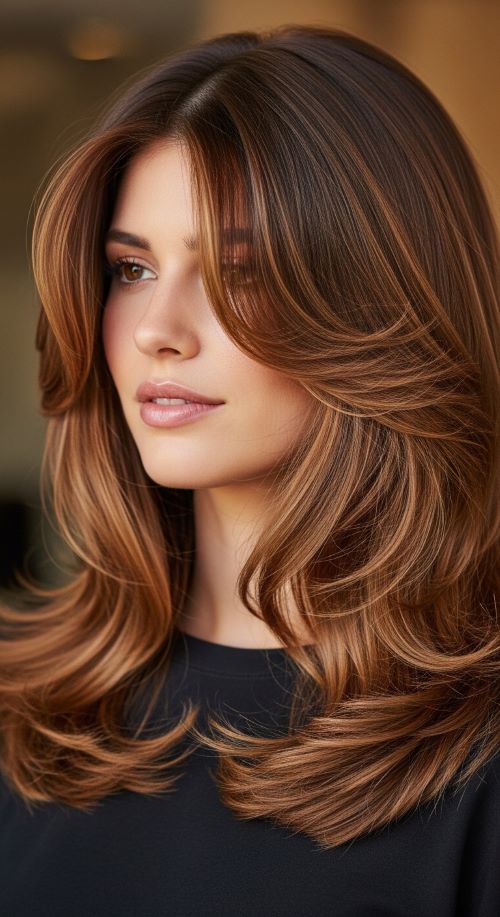
For square faces, layers can soften strong jawlines and create curves around the face. Start layers just below the jawline, letting them fall naturally. Adding waves or curls can further soften the appearance. At home, use a curling wand for loose waves and finger-comb them to avoid harsh lines. This style works for medium to long hair and is excellent for adding dimension without overpowering facial features. Square faces benefit from layers that move naturally and create a gentle, feminine outline.
Layered Hair for Oval Faces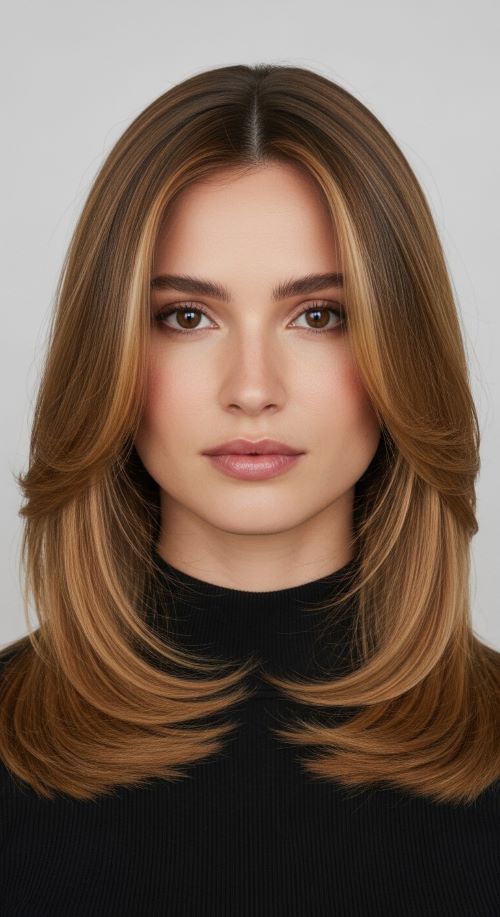
Oval faces are versatile and suit most layered styles. Face-framing layers around the cheekbones highlight natural bone structure. You can experiment with blunt or soft layers depending on your personal style. At home, use a light styling cream to keep layers smooth and prevent flyaways. This look is low-maintenance and grows out evenly. Oval faces allow for playful layering, making it easy to change up your hairstyle without worrying about imbalance.
Layered Hair with Textured Ends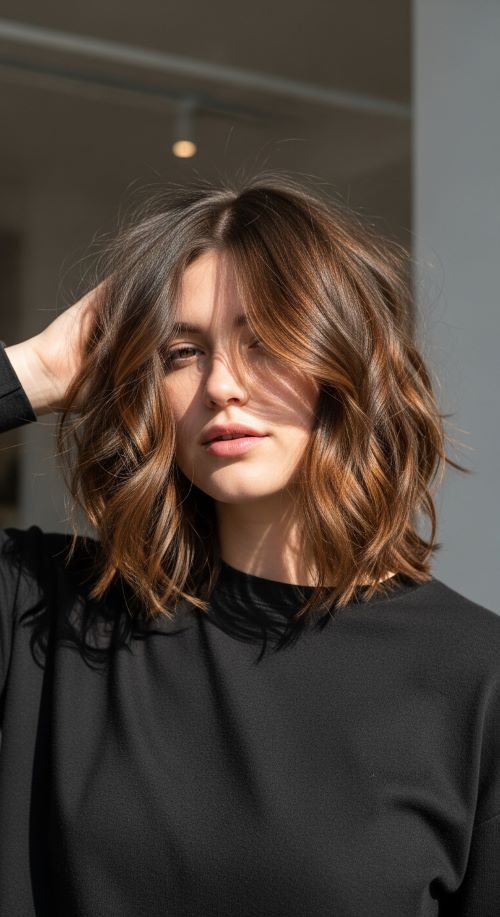
Textured ends add casual movement and dimension to layered hair. Cutting layers with a razor or scissors at a slight angle creates a lived-in look that feels effortless. At home, lightly tousle layers with a texturizing spray to enhance definition. This style works on straight, wavy, and slightly curly hair. Textured layers prevent hair from appearing flat and help highlight facial features naturally. It’s a simple way to give hair interest without extra volume or styling effort.
Layered Hair with Face-Framing Highlights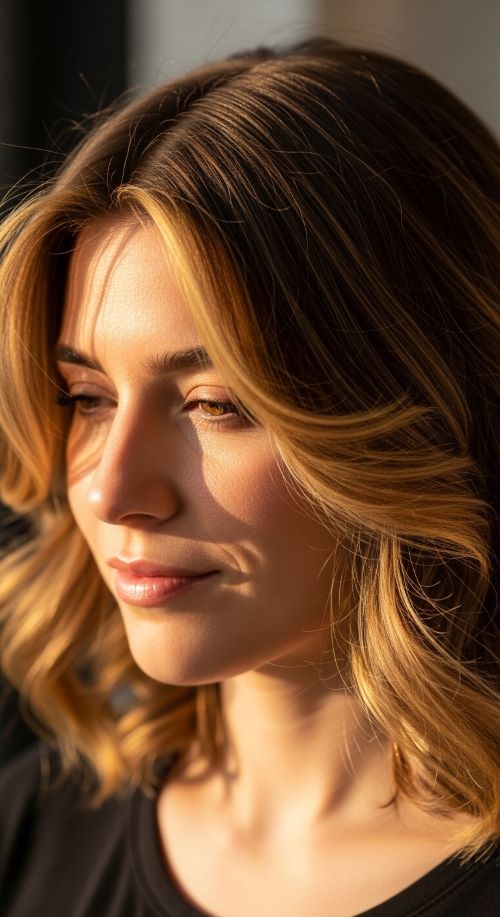
Adding highlights to layers emphasizes their movement and makes hair appear fuller. Subtle highlights around the face can brighten your complexion and draw attention to eyes and cheekbones. For a DIY touch, use a hair gloss or temporary highlights to refresh color between salon visits. This style works for medium to long hair and adds visual depth without changing overall hair length. Highlights make layers pop, giving your hair a natural, healthy look.
Layered Hair with Wispy Bangs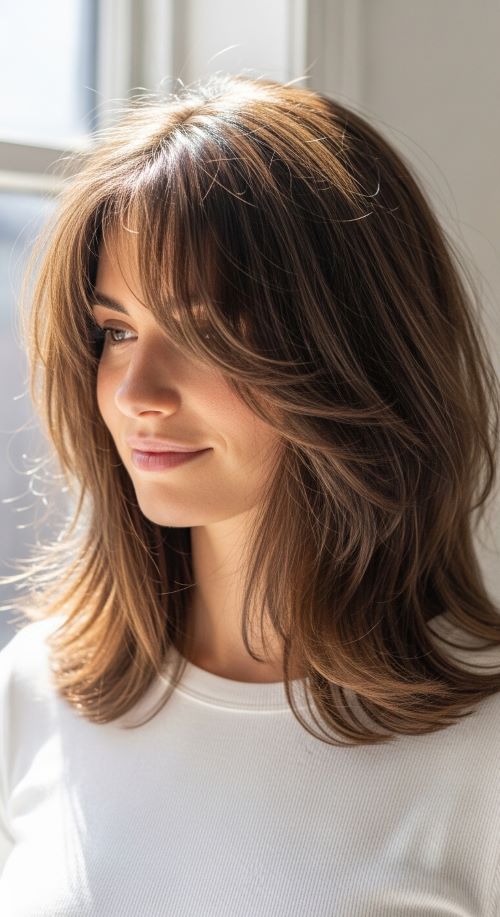
Wispy bangs paired with layers soften facial features and add a relaxed, effortless feel. Keep bangs light and feathered, blending seamlessly into surrounding layers. Styling at home is easy with a round brush or fingers to direct bangs naturally. This style works for fine or thick hair and grows out without looking heavy. Wispy bangs add a playful, soft touch to layered hair, making it look fresh every day.
Layered Hair with Face-Framing Curls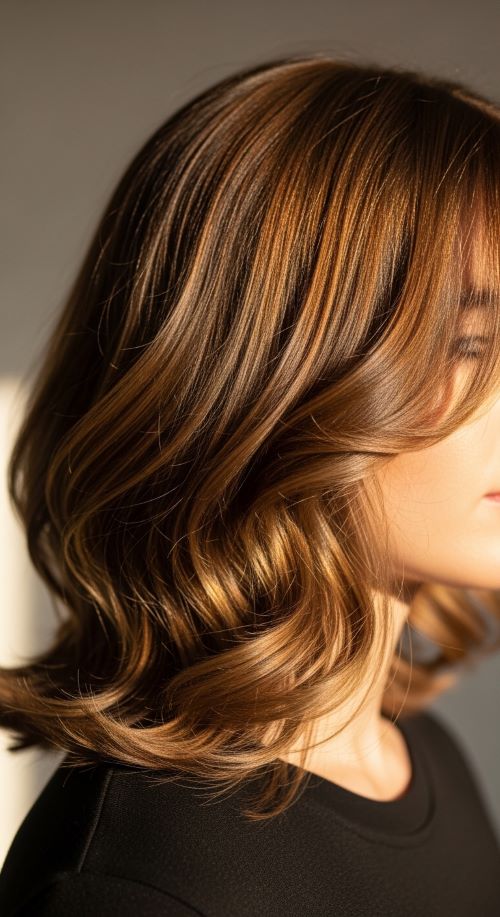
Curls around the face create volume and movement, making layers more dynamic. Start layers near the cheekbones to balance facial features and let curls flow naturally. Use a curling wand or diffuser for defined, soft curls. Avoid heavy products that weigh down layers. This look enhances natural texture and highlights your features, giving a youthful, lively appearance. Curled layers are perfect for medium to long hair and add playful charm to your everyday look.
Layered Hair with Side-Swept Layers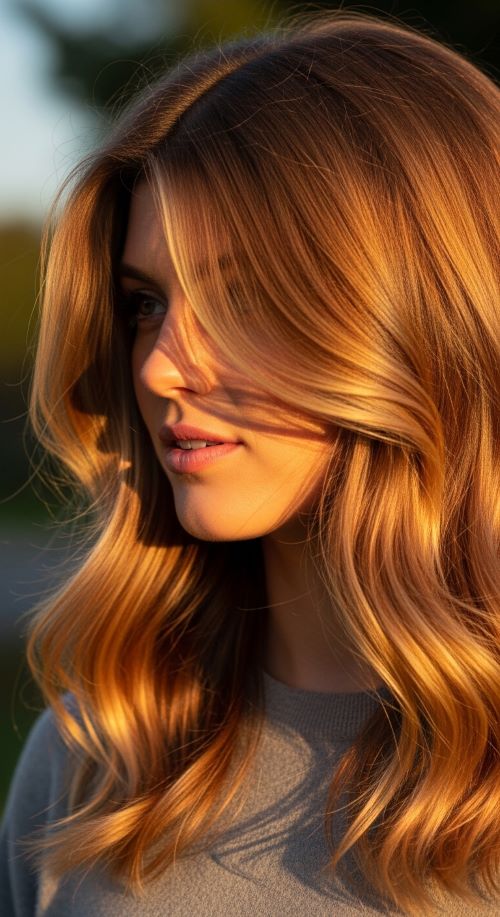
Side-swept layers add sophistication and structure to layered hair. They soften angular features and create a natural, flowing shape. Styling is simple: blow-dry with a round brush or use a flat iron for sleek lines. This style works for straight, wavy, and thick hair. Side-swept layers draw attention to eyes and cheekbones, enhancing the overall look. It’s a versatile cut suitable for work, casual outings, and special occasions, making layers feel elegant and easy to manage.
Final Words
Face-framing layers are a versatile way to refresh your hairstyle, soften features, and add dimension without drastic changes. Whether you prefer subtle curtain layers, playful choppy bangs, or layered bobs, these styles can suit any hair type and face shape. Many of these looks are easy to maintain at home with simple tools and styling products, making them affordable and accessible. By experimenting with different lengths, textures, and styling techniques, you can find a version that highlights your best features. Incorporate these ideas into your next haircut and enjoy a polished, dynamic look that feels natural and effortless.