19 Bangs for Thick Wavy Hair That Frame Your Face Perfectly
Thick wavy hair already carries natural volume, texture, and movement, which makes bangs both exciting and slightly tricky to manage at the same time. The right fringe can shape your face, soften strong features, and bring balance without adding extra bulk or daily styling stress. Many people with thick waves avoid bangs because of frizz, puffiness, or the fear that they will feel too heavy, but with the right cut and approach, bangs can actually make your hair easier to control. This guide covers 19 practical bang styles designed to work with your natural texture, along with simple, budget-friendly ideas you can try at home without relying on expensive salon routines or complicated tools.
Soft Curtain Bangs for Effortless Framing
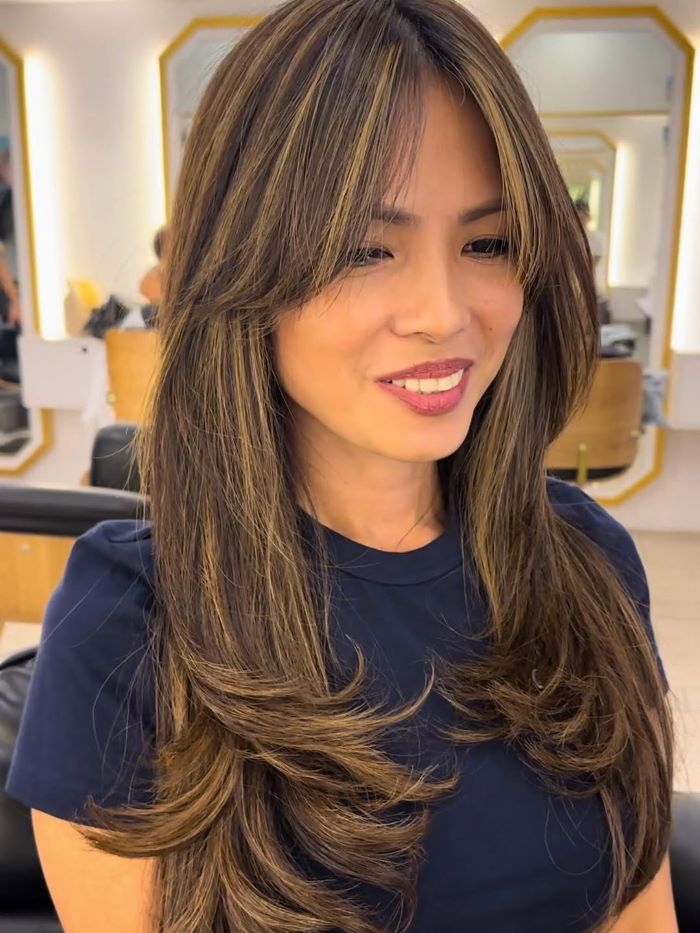
Soft curtain bangs are one of the most practical choices for thick wavy hair because they naturally separate down the middle and fall along the sides of the face, creating a flattering frame without adding weight to the forehead area. This style works particularly well with natural waves since it allows the hair to move freely instead of forcing it into a rigid shape, which often leads to frizz or puffiness. The beauty of curtain bangs lies in their low maintenance, as you can simply part your damp hair down the middle after washing and let it air dry, allowing your natural texture to guide the final look. If you want a bit more definition, a quick twist of the front sections while drying can help guide the direction without needing heat tools. For those trying to save money, trimming can be done at home by cutting small sections at an angle rather than straight across, which helps maintain that soft, blended effect. Over time, these bangs grow out gracefully, blending into layers without requiring frequent touch-ups, making them a budget-friendly and time-saving option for everyday wear.
Wispy Bangs for a Light, Airy Look
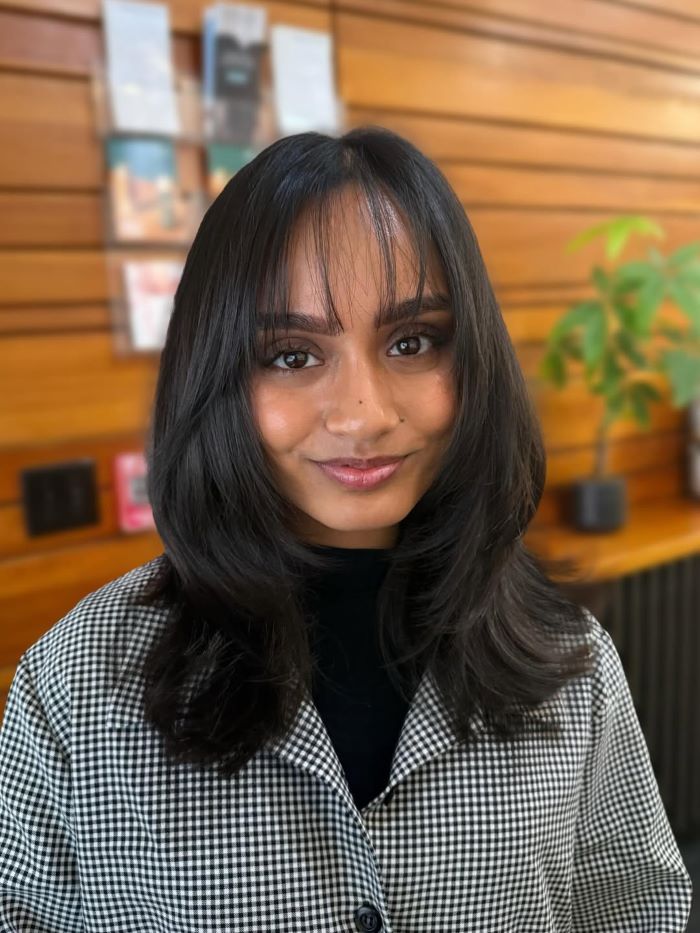
Wispy bangs are ideal for anyone who finds traditional thick bangs too heavy or overwhelming, especially when dealing with naturally voluminous wavy hair that already has plenty of body. This style focuses on creating thin, feather-like strands across the forehead, allowing more skin to show through and preventing the dense, bulky appearance that can sometimes make the face feel closed in. Because the bangs are lighter, they are also easier to manage in humid conditions, as they are less likely to clump together or lose their shape throughout the day. Styling wispy bangs does not require complicated tools, as you can simply use your fingers to guide them while they dry or apply a small amount of leave-in conditioner to control frizz and keep them soft. If you plan to trim them at home, using a vertical cutting technique instead of cutting straight across helps maintain their airy texture and avoids harsh lines. This approach not only keeps your look natural but also extends the time between salon visits, making wispy bangs both practical and cost-effective.
Side-Swept Bangs for a Classic Touch
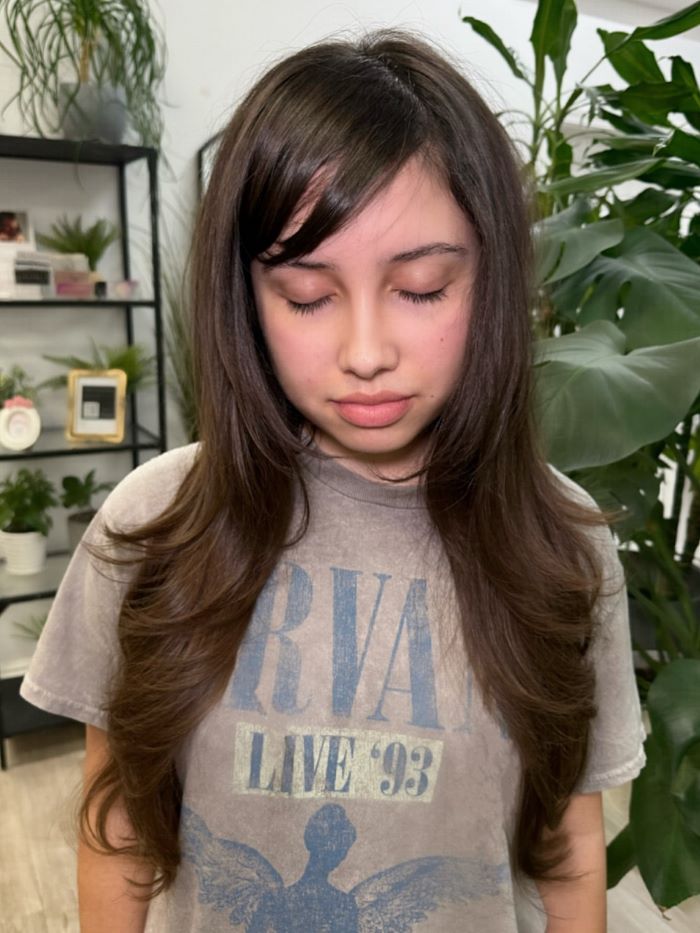
Side-swept bangs remain a timeless option because they blend seamlessly into layered haircuts while adding a gentle angle that softens facial features, which is especially helpful for balancing strong jawlines or fuller cheeks. For thick wavy hair, this style works well because it distributes volume across one side rather than concentrating it at the front, reducing the risk of puffiness or uneven shape. The styling process is simple and does not require daily effort, as you can part your hair to one side while it is still damp and allow it to dry naturally into place, letting your waves guide the flow of the bangs. A lightweight serum or smoothing cream can be applied sparingly to control flyaways without weighing the hair down. For at-home maintenance, trimming should be done gradually and at a slight angle to maintain the natural sweep, rather than cutting straight across, which can disrupt the flow. This style is particularly appealing for those who want a polished look that fits both casual and formal settings without demanding constant styling.
Curly Fringe for Natural Texture Lovers
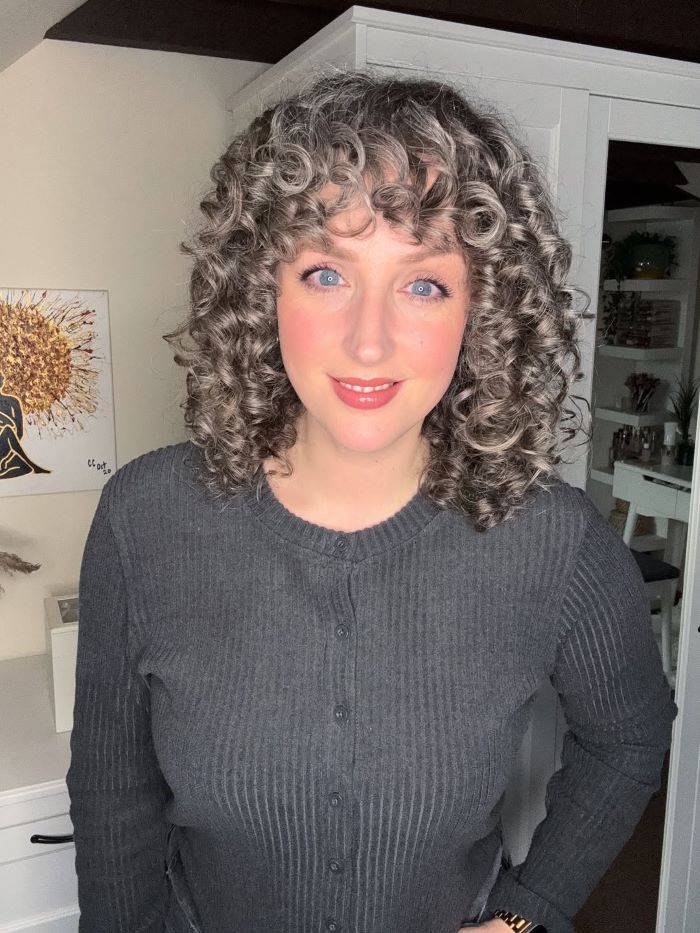
A curly fringe is an excellent choice for those who want to fully embrace the natural pattern of their thick wavy hair instead of trying to reshape it into something it is not, allowing the curls or waves to form freely across the forehead for a soft and expressive finish. This style reduces the need for heat styling, which not only saves time but also protects the hair from damage, making it a healthier long-term option. To achieve the best results, applying a curl-enhancing cream to damp hair and gently scrunching the fringe helps define the pattern while minimizing frizz, and allowing the hair to air dry preserves its natural structure. One important tip when cutting a curly fringe is to leave extra length, as curls tend to shrink once dry, and cutting them too short can lead to an unexpected result. Maintenance is simple and budget-friendly, as you mainly rely on basic products and occasional trims rather than frequent salon visits. This style adds personality and texture, making it a great choice for anyone who prefers a natural and relaxed appearance.
Blunt Bangs with Textured Ends
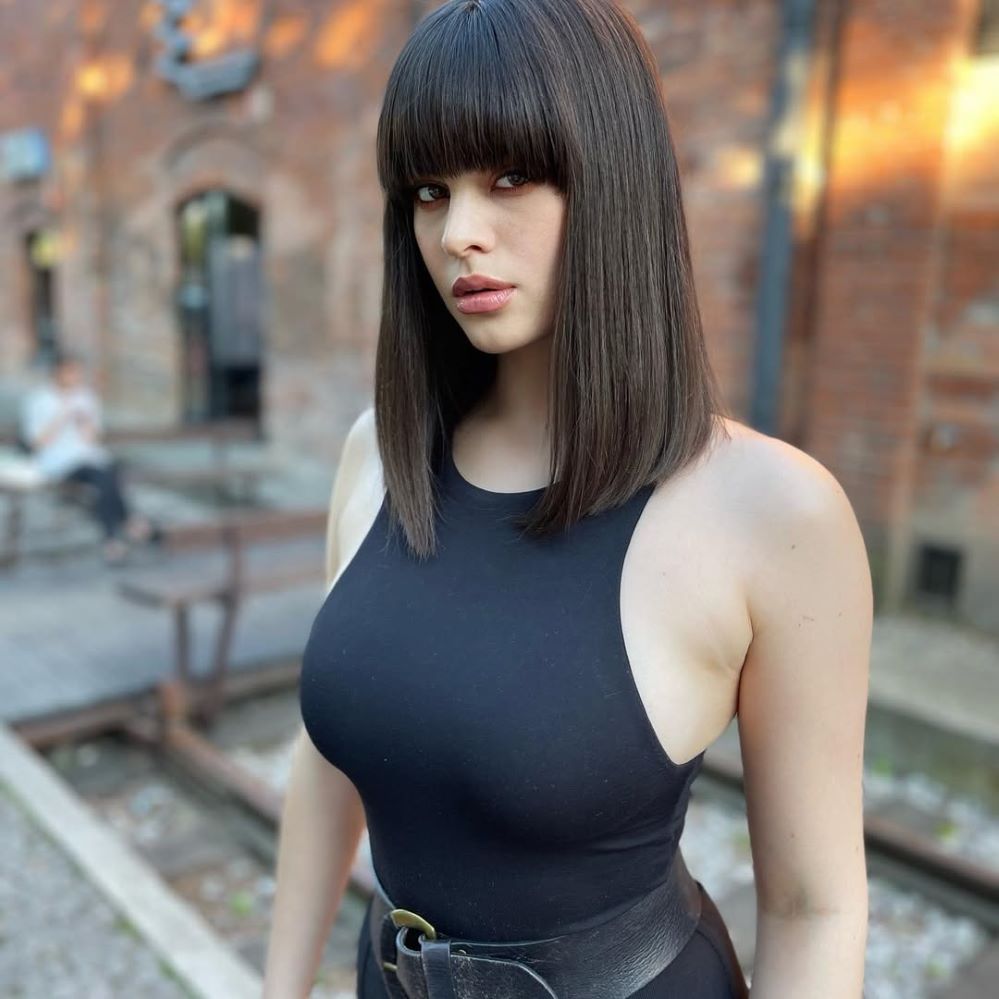
Blunt bangs can still work beautifully on thick wavy hair when the ends are slightly textured to reduce heaviness and create a softer finish that blends better with natural waves. Instead of forming a solid, straight line across the forehead, the edges are lightly broken up, allowing the bangs to move more freely and preventing them from looking too stiff or bulky. Styling can be done quickly with a gentle blow-dry using a flat brush, or by wrapping the bangs around a roller for a few minutes to give them shape without excessive heat. For those attempting to maintain this style at home, it is better to make small, careful cuts rather than trimming large sections at once, as this helps maintain control over the final look and avoids uneven results. A lightweight styling product can be used to keep the bangs smooth while still allowing natural movement. This style is perfect for those who like a bold frame around the face but still want flexibility and softness in their overall look.
Long Layered Bangs for Seamless Blending
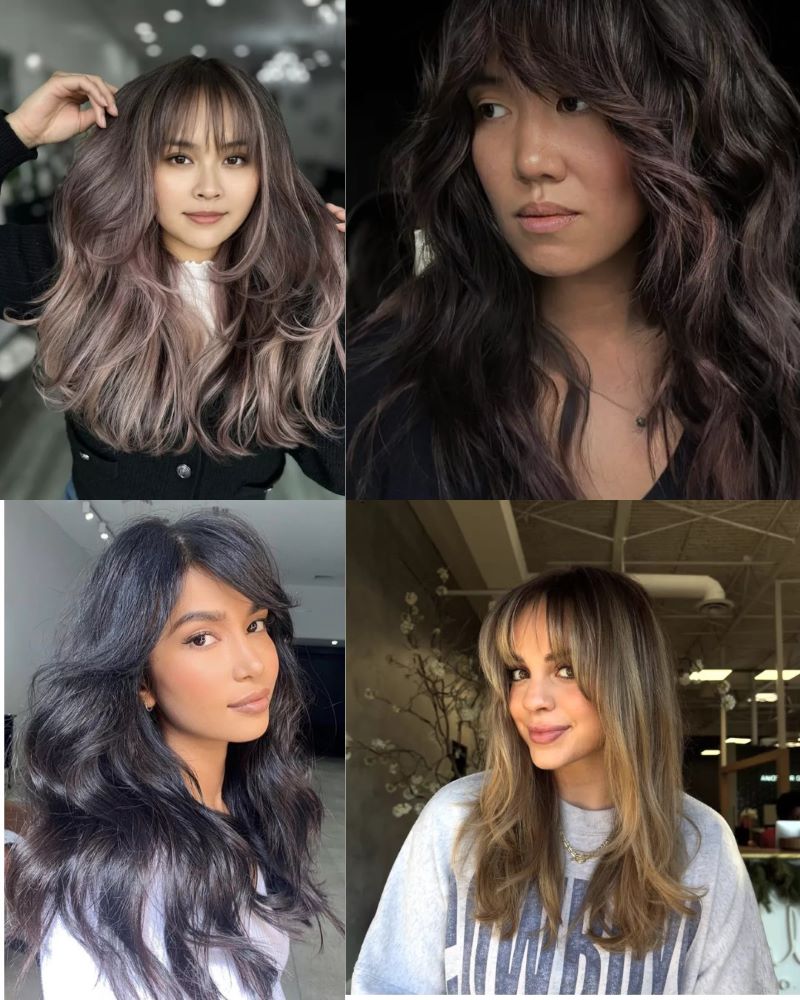
Long layered bangs are a great option for those who prefer a subtle change that enhances their hairstyle without committing to a dramatic fringe, as they gradually blend into the rest of the hair and create a soft framing effect around the face. This style works particularly well with thick wavy hair because it removes excess bulk from the front while maintaining the natural flow and movement of the waves, resulting in a balanced and cohesive look. Styling is minimal, as you can allow the hair to air dry or use a diffuser to enhance the natural texture, and the bangs will naturally fall into place without requiring precise shaping. When trimming at home, cutting small sections at an angle helps maintain the layered effect and prevents harsh lines that can disrupt the overall flow. One of the biggest advantages of this style is how easily it grows out, reducing the need for frequent maintenance and making it a cost-effective choice. It is ideal for anyone who wants a low-commitment option that still adds shape and interest to their hairstyle.
Soft Curtain Bangs for Effortless Framing
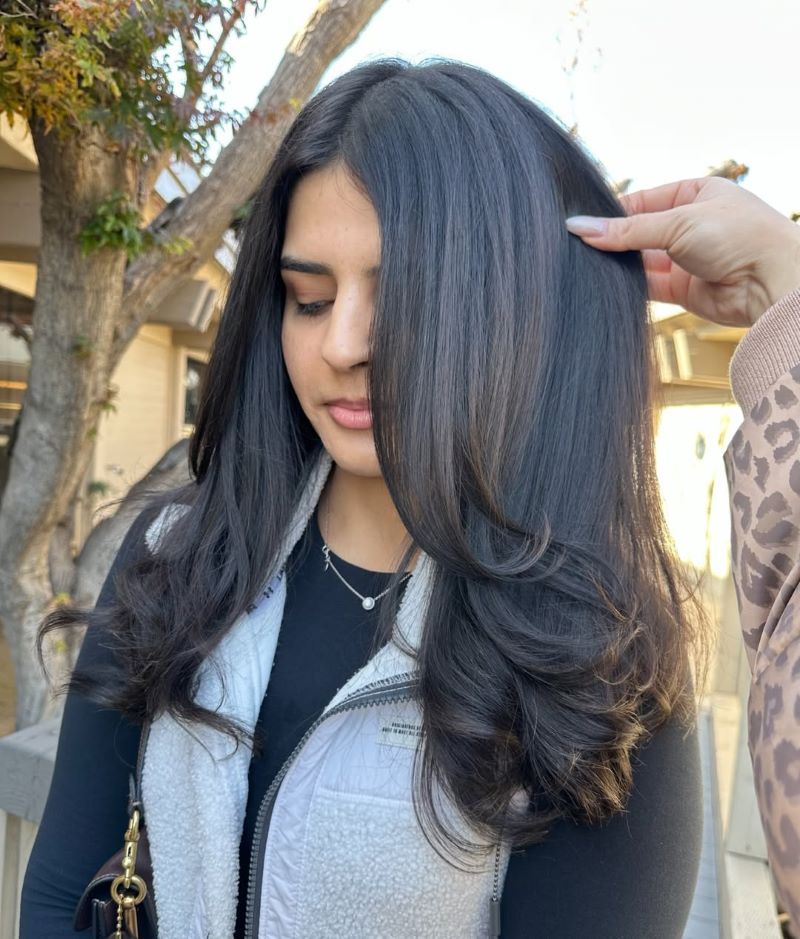
Soft curtain bangs are one of the easiest and most wearable styles for thick wavy hair because they part naturally down the middle and fall gently along both sides of the face, creating a soft frame without adding weight directly onto the forehead. This style works beautifully with natural waves since it allows the hair to move freely instead of forcing it into a stiff or overly controlled shape, which often leads to frizz. Styling is simple and does not require heat tools, as you can part your damp hair and let it air dry while using your fingers to guide the direction. If you want a bit more shape, twisting the front pieces slightly while drying can help create a natural curve. For at-home trimming, cutting small angled sections instead of a straight line keeps the look soft and blended. These bangs also grow out nicely, reducing the need for frequent touch-ups and making them a great option for anyone looking for a low-maintenance and cost-friendly styles.
Long Layered Bangs for Subtle Framing
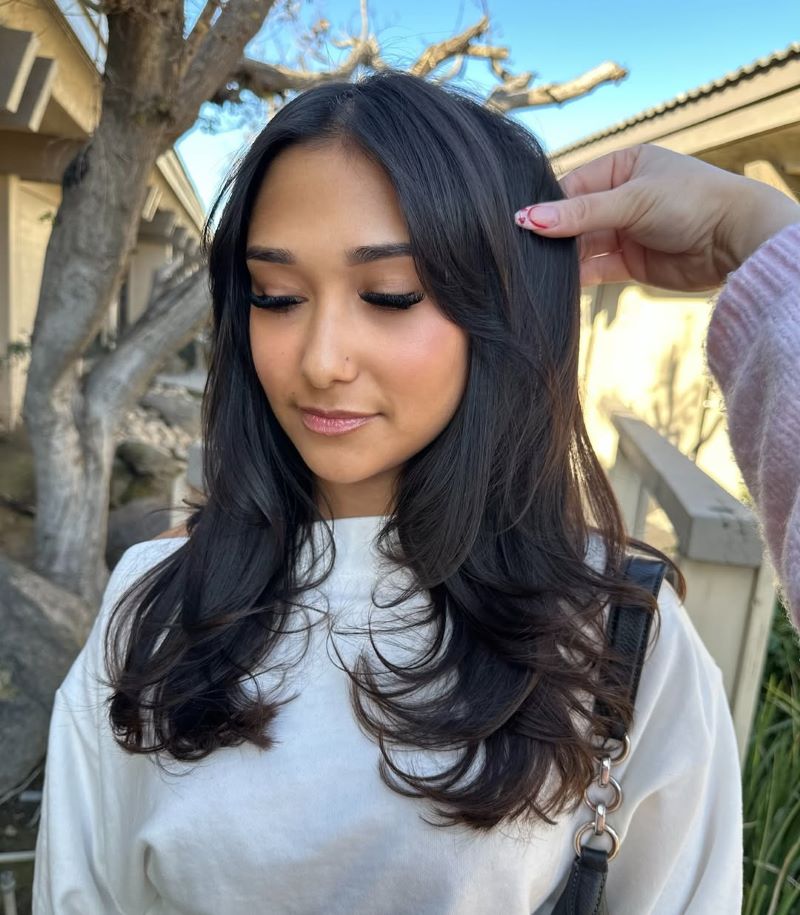
Long layered bangs are perfect if you want a gentle change that enhances your hairstyle without committing to a full fringe, as they gradually blend into the rest of your hair and create a soft frame around the face. This style works well with thick wavy hair because it removes excess weight from the front while maintaining natural movement. Styling is minimal, as you can let your hair air dry or use a diffuser to enhance your waves, and the bangs will fall naturally into place. When trimming at home, cutting small sections at an angle helps maintain the layered effect and avoids harsh lines. These bangs also grow out easily, which means fewer salon visits and lower maintenance costs. They are a great option for anyone who wants a low-commitment style that still adds shape and dimension.
Baby Bangs for a Bold Look

Baby bangs sit higher on the forehead and create a strong, eye-catching look that stands out against thick wavy hair, making them a bold choice for those who want something different. This style requires more frequent trimming to maintain its length, but it can still be managed at home with careful, small cuts using sharp scissors. Styling usually involves a quick blow-dry or light straightening to keep them in place, along with a heat protectant to avoid damage. Despite the extra effort, baby bangs highlight facial features and create a unique style that feels modern and expressive. They are best suited for those who enjoy experimenting with their look and do not mind a bit of regular maintenance.
Feathered Bangs for Soft Flow
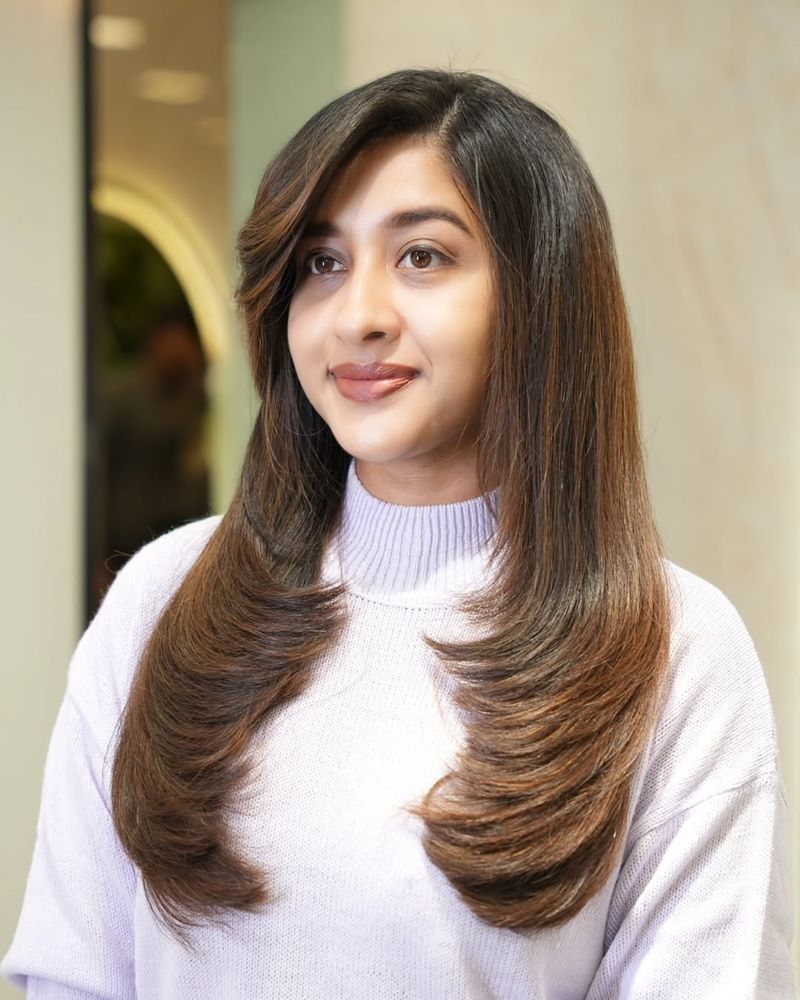
Feathered bangs create a soft and flowing appearance by lightly separating the ends, which helps reduce the heaviness that thick hair can bring to traditional bang styles. This technique allows the bangs to move naturally with your waves, creating a relaxed and easygoing look. Styling can be done with a round brush or simply by using your fingers and a small amount of mousse to add light hold without stiffness. When trimming at home, cutting downward into the ends instead of straight across helps create the feathered effect. This style is ideal for those who want something soft and manageable that does not require constant styling or attention.
Choppy Bangs for a Textured Finish
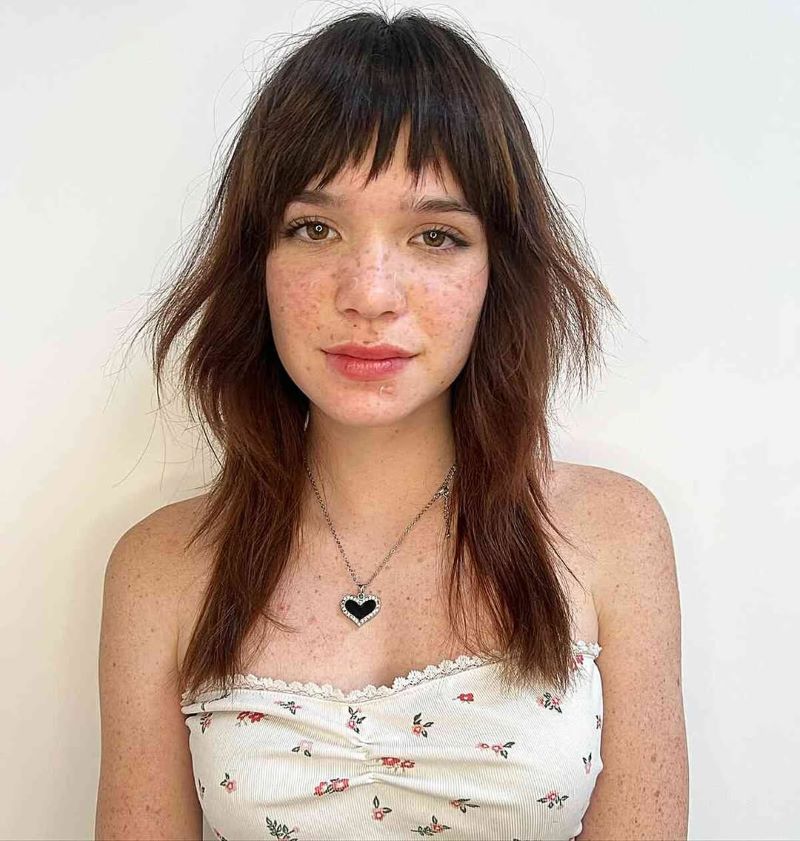
Choppy bangs feature uneven lengths that create texture and reduce bulk, making them a great option for thick wavy hair that can sometimes feel too dense. This style works with your natural waves rather than against them, allowing for a relaxed and slightly messy look that does not need to be perfectly styled. A small amount of styling cream can be used to define the texture, and finger styling is usually enough to shape them. For at-home trimming, making small uneven cuts instead of straight lines helps achieve the desired effect. These bangs are perfect for those who prefer a casual style that feels effortless and easy to maintain.
Bardot Bangs for a Soft Retro Feel
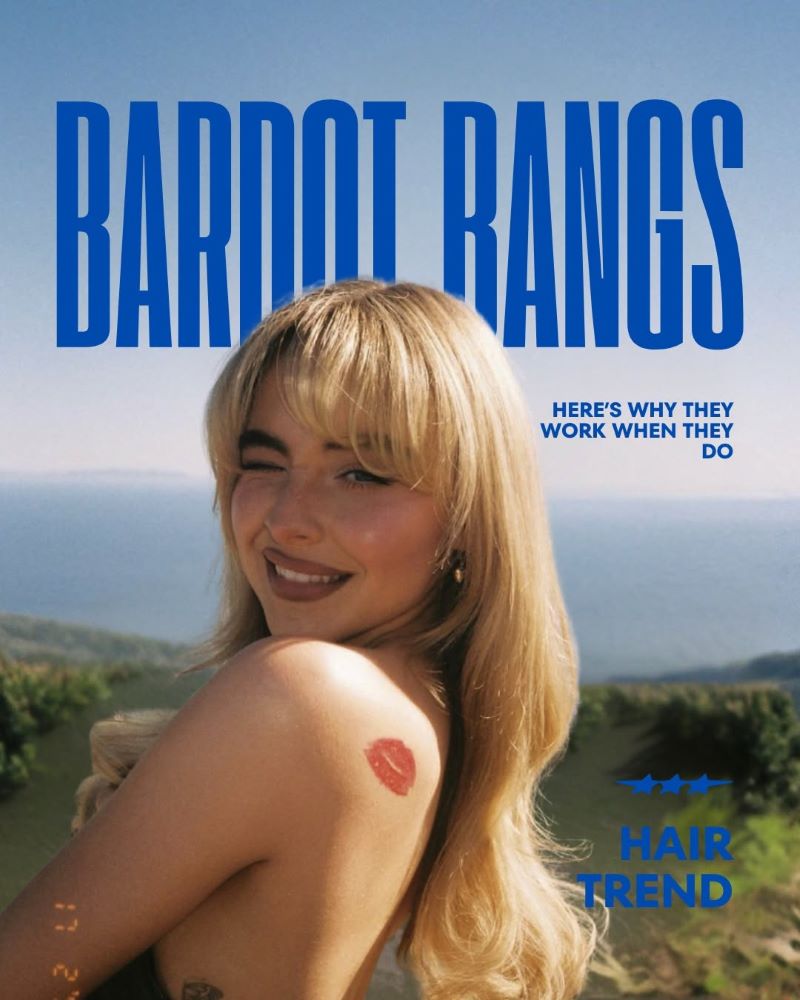
Bardot bangs are fuller than curtain bangs but still parted slightly in the center, creating a soft and flattering frame that works well with thick wavy hair. This style uses the natural volume of your hair to create shape without needing heavy styling. You can let them air dry or use a quick blow-dry to guide the direction, and a light serum helps keep them smooth. When trimming, keeping the center slightly shorter helps maintain the signature shape. These bangs offer a balanced look that works well for both everyday wear and special occasions.
Layered Shag Bangs for Volume Balance
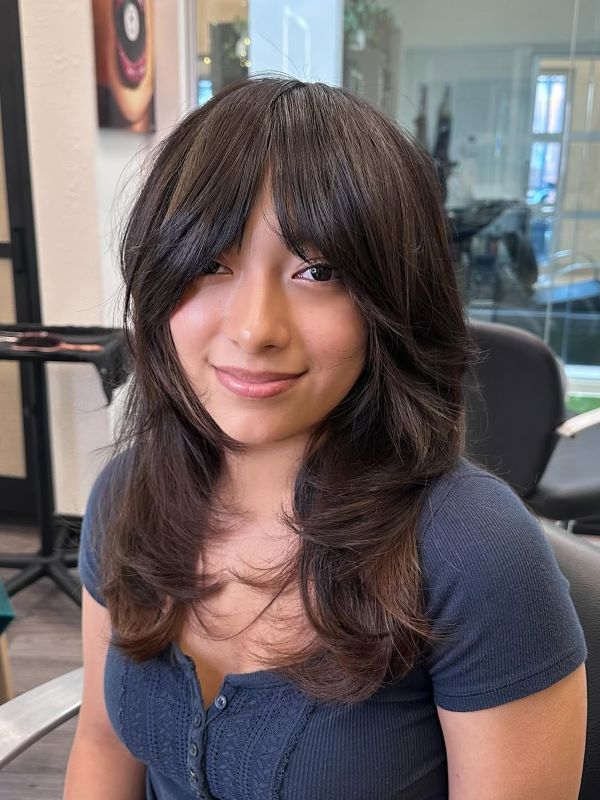
Layered shag bangs are designed to work with textured hair by blending seamlessly into a shag haircut, reducing bulk while adding shape and movement. This style helps distribute volume evenly, making thick hair easier to manage. Styling usually involves scrunching with a light product and letting the hair air dry. Trimming can be done in small sections to maintain the layered look. These bangs are ideal for those who want a relaxed and slightly edgy style.
Arched Bangs for Face Contouring
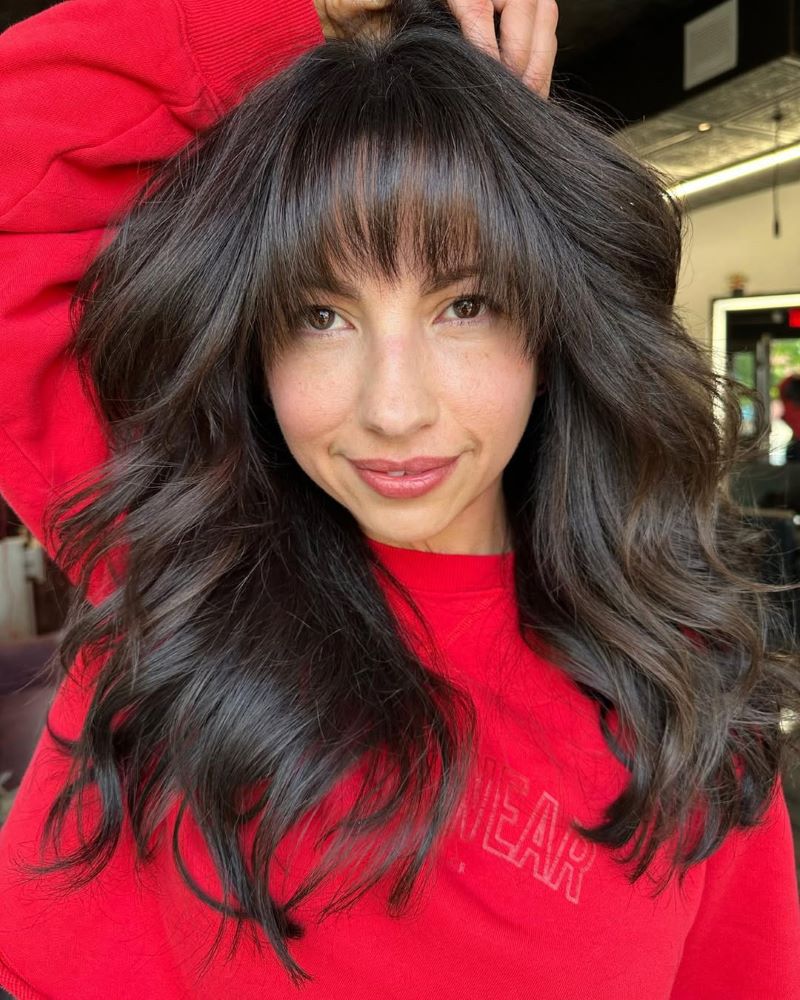
Arched bangs are slightly shorter in the center and longer on the sides, creating a curved shape that frames the face beautifully and works well with thick wavy hair. This design softens facial features and blends easily into layers. Styling is simple with a light blow-dry or natural drying. Careful trimming helps maintain the curve. This style offers a polished look without being too strict or heavy.
Bottleneck Bangs for Soft Structure
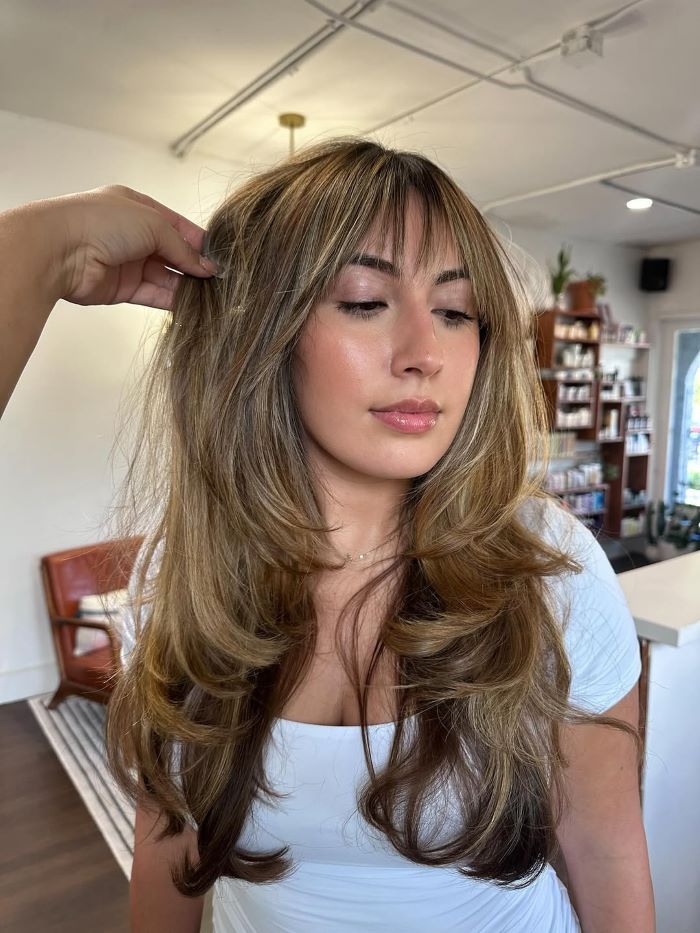
Bottleneck bangs are a modern take on curtain bangs, shaped slightly narrower at the top and wider toward the cheekbones, which creates a soft contour around the face without adding too much weight to the forehead. This style works especially well for thick wavy hair because it naturally follows the flow of your texture, allowing the waves to frame your face instead of sitting flat or bulky. Styling can be as simple as parting your bangs while damp and letting them fall into place as they dry, or using a round brush for a bit more shape if you prefer a polished finish. One helpful trick at home is to slightly twist the ends outward while drying to create that signature curved effect. When trimming, keeping the center slightly shorter and gradually blending into longer sides helps maintain the shape without harsh lines. These bangs grow out smoothly and do not require frequent salon visits, making them a practical and budget-friendly option for everyday wear.
U-Shaped Bangs for a Balanced Curve
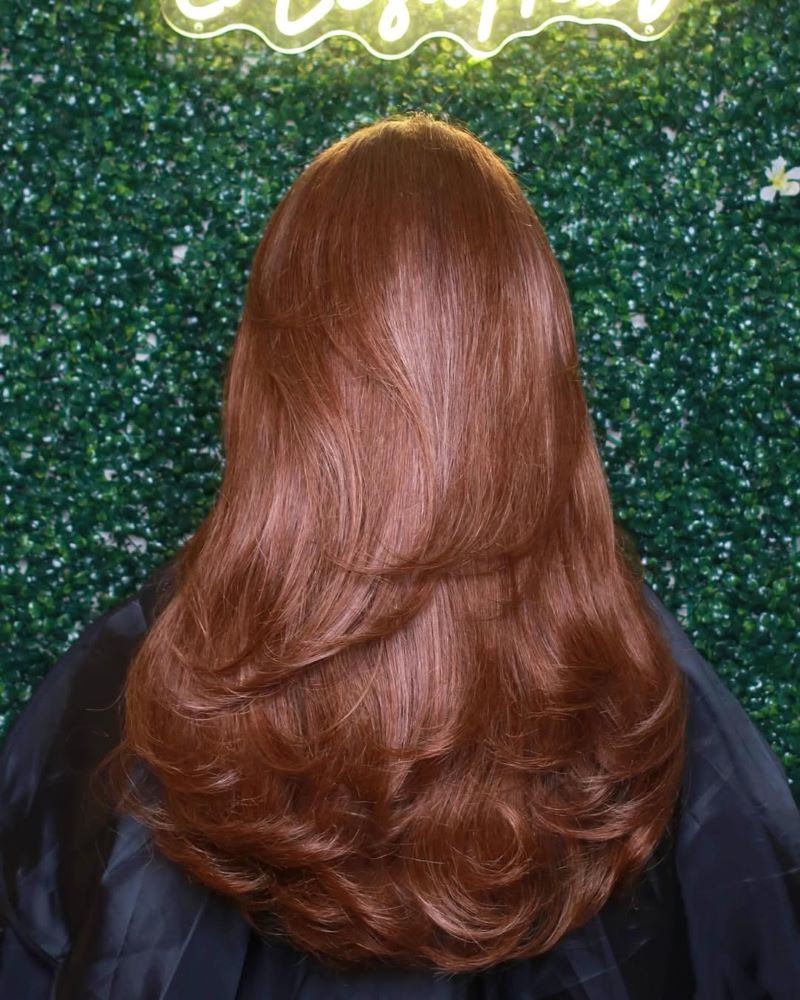
U-shaped bangs are designed with a gentle curve that dips slightly in the center and blends outward toward the sides, creating a natural contour that follows the shape of your forehead instead of cutting across it in a straight line. This makes them especially suitable for thick wavy hair because the curved structure helps distribute volume evenly, preventing the front from looking too dense or boxy. The style works with your natural waves rather than flattening them, allowing the bangs to sit softly and move with the rest of your hair. Styling is quite simple, as you can guide the curve while your hair is damp by lightly brushing the bangs into shape and letting them air dry, or using a round brush for a smoother finish when needed. For at-home trimming, following the natural curve and cutting small sections gradually helps maintain balance without creating harsh edges. These bangs offer a neat yet soft look that frames the face in a subtle way while still feeling easy to manage on a daily basis.
Split Fringe Bangs for a Relaxed Middle Break
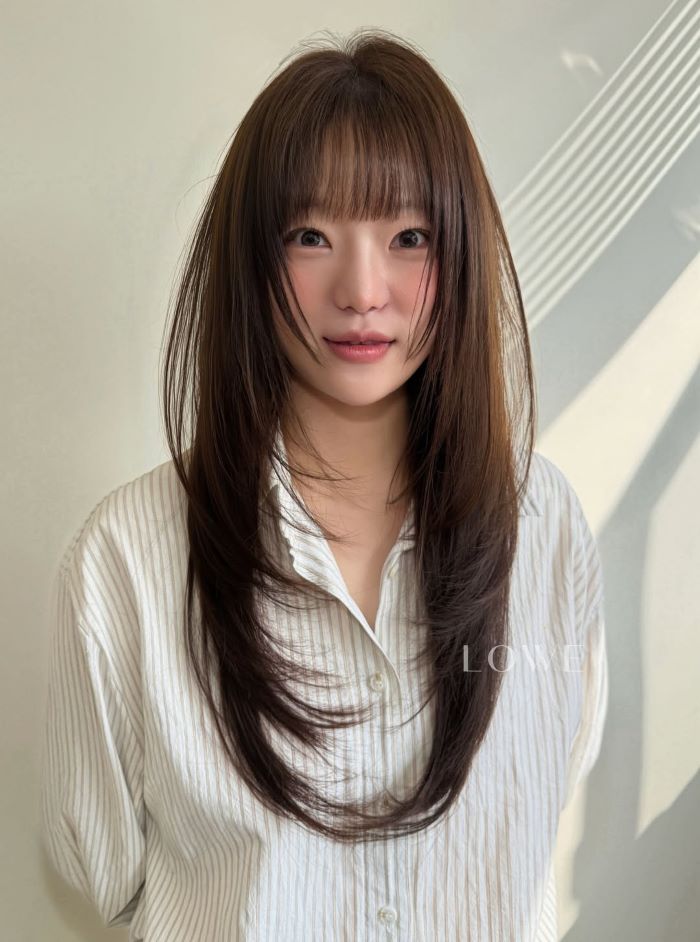
Split fringe bangs are a laid-back style where the bangs naturally separate in the center without needing a defined part, creating a relaxed and slightly undone look that works beautifully with thick wavy hair. Instead of forcing symmetry, this style embraces the natural fall of your hair, allowing the waves to guide how the bangs sit on your forehead. This helps reduce styling time and avoids the struggle of trying to keep bangs perfectly in place throughout the day. To style, you can simply push your bangs slightly apart while damp and let them dry naturally, or use your fingers to adjust them into position without relying on heat tools. If you want to maintain the look at home, trimming lightly and avoiding cutting too much from the center helps preserve that natural separation. These bangs are perfect for those who prefer a low-effort style that still frames the face while keeping the overall look soft and effortless.
Tapered Bangs for a Gradual Blend
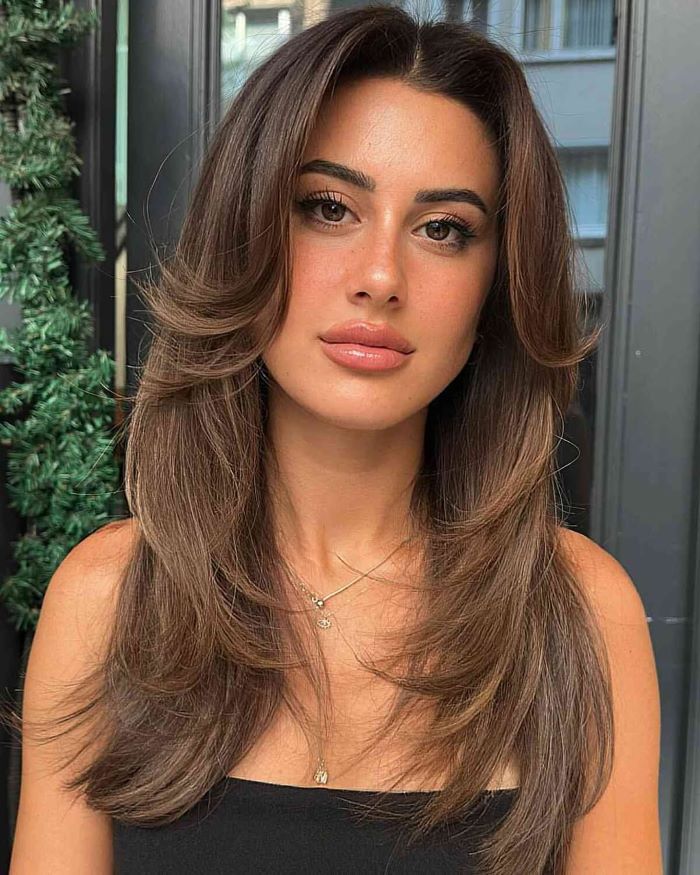
Tapered bangs gradually change in length from shorter sections near the center to longer pieces that blend into the sides, creating a smooth and natural transition that works well with thick wavy hair. This design helps avoid the heavy, block-like appearance that can sometimes come with traditional bangs, instead offering a softer and more blended finish that complements your natural texture. The gradual change in length allows the bangs to flow into the rest of your hair without creating a harsh line, making styling much easier and more forgiving. You can let them air dry for a natural look or use a light blow-dry to guide the shape, depending on your preference. When trimming at home, working in small sections and following the gradual length change helps maintain the tapered effect without overcutting. These bangs are ideal for anyone who wants a structured look that still feels soft and easy to maintain.
Floating Bangs for a Lightweight Finish
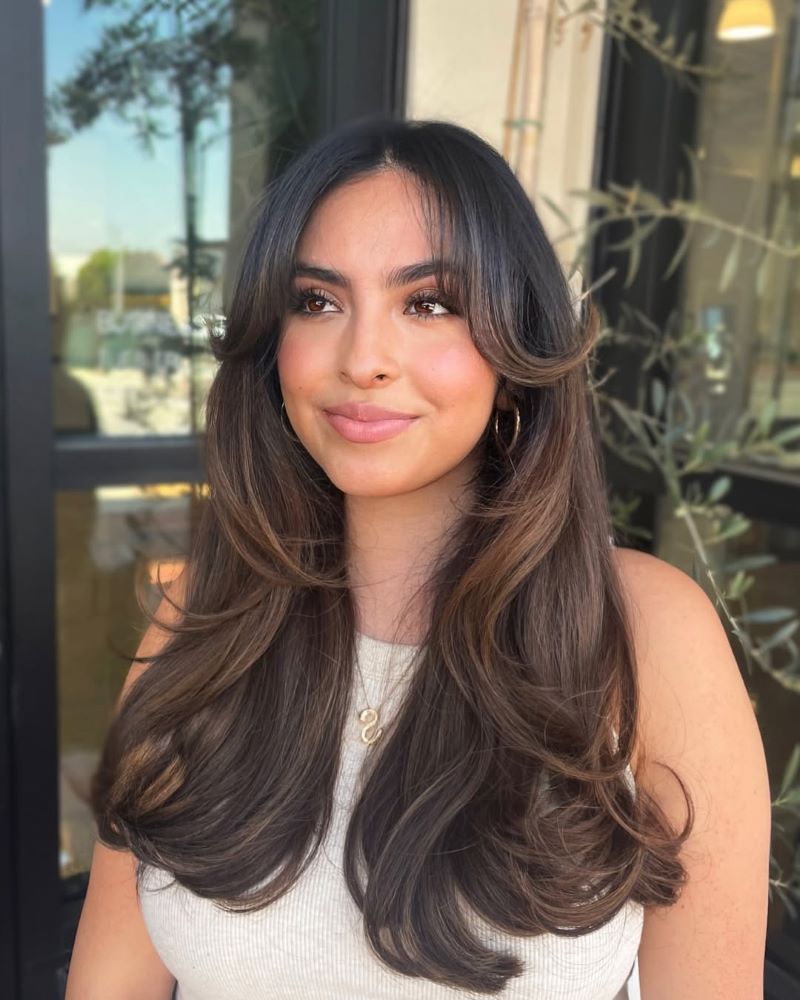
Floating bangs are a unique and lightweight style where the bangs sit softly above the forehead rather than laying flat against it, creating a sense of space and movement that works particularly well for thick wavy hair. This style reduces the feeling of heaviness by allowing air to pass through the strands, making the bangs feel lighter and more comfortable throughout the day. The natural texture of wavy hair helps support this lifted effect, so you do not need to rely heavily on styling tools to maintain it. A small amount of mousse or lightweight styling cream can help keep the shape without making the hair stiff, and you can simply use your fingers to guide the bangs into place while they dry. When trimming at home, keeping the ends slightly uneven helps maintain that airy effect rather than creating a flat line. These bangs are perfect for those who want something different that still feels easy, breathable, and practical for everyday wear.
Final Words
Choosing the right bangs for thick wavy hair is all about working with your natural texture instead of trying to control it too much. Each style offers a different way to frame your face while keeping your routine simple and manageable. With the right cutting approach and a few easy styling habits, you can maintain your bangs at home without spending too much time or money. The best results come from starting with a style that feels comfortable and gradually adjusting it to suit your daily routine, giving you a look that feels natural, balanced, and easy to wear every day.