21 Modern Pixie Cuts That Feel Fresh
Short pixie cuts stay popular because they fit real life. They dry quickly, reduce styling time, and lower maintenance costs. Modern pixie styles lean toward natural movement and wearable shapes rather than stiff, overly styled looks. These cuts work with everyday routines, busy mornings, and simple toolkits. Whether hair is thick, fine, straight, or curly, there’s a pixie option that keeps styling approachable. The ideas below focus on practical shaping, affordable upkeep, and realistic styling habits that anyone can follow at home.
Soft Tapered Pixie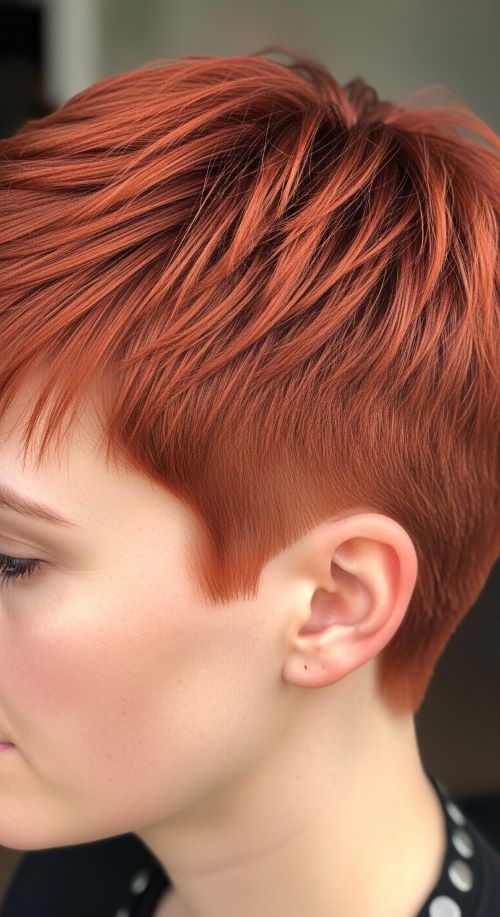
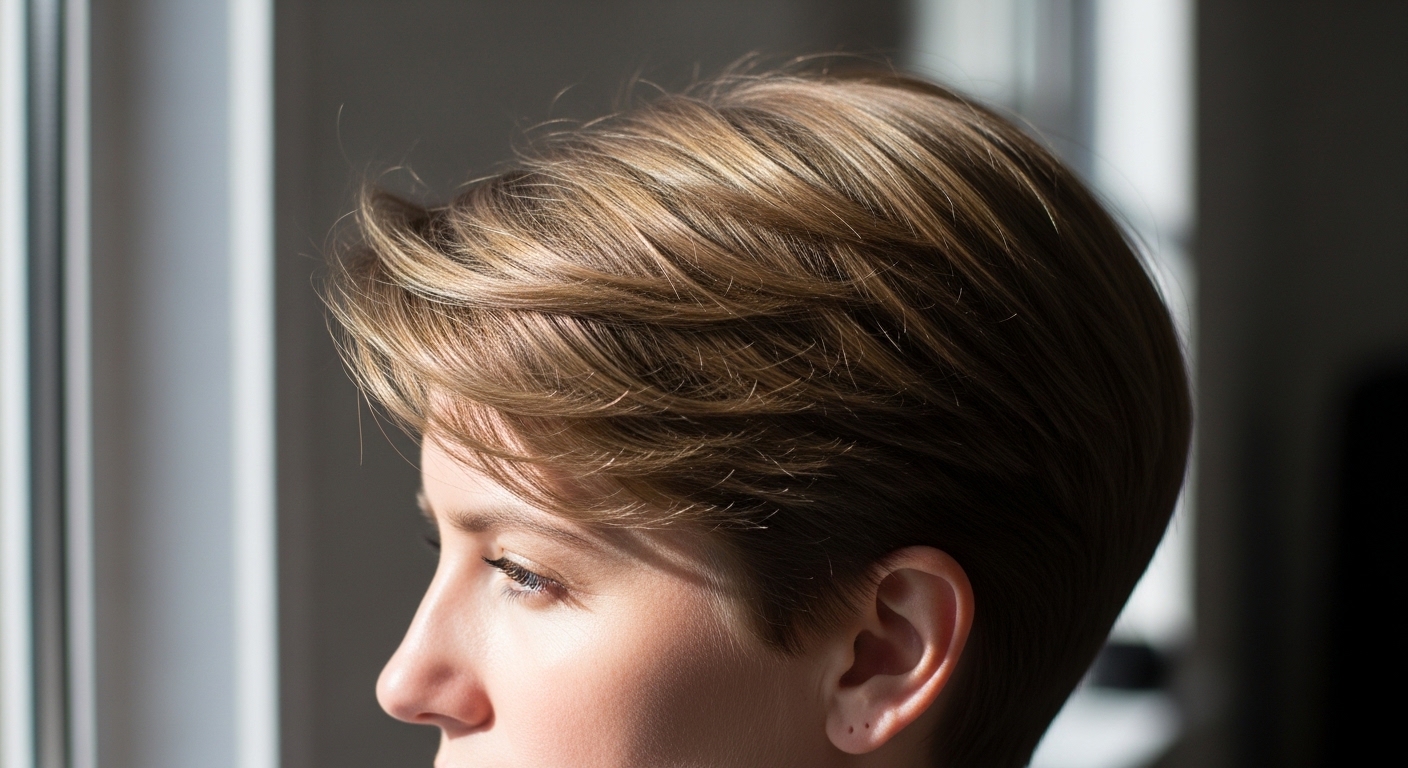
A soft tapered pixie keeps the sides neat while letting the top fall naturally. The gradual shaping helps the cut grow evenly, which means fewer trips for trims. Styling stays simple. A small amount of lightweight cream smoothed through the ends controls flyaways without stiffness. Fingers work better than brushes for this look. Between appointments, a basic trimmer can tidy the neckline. This cut suits straight or slightly wavy hair and adapts easily to part changes. A subtle shift in direction refreshes the appearance without extra effort, making this style practical for daily wear.
Textured Crop Pixie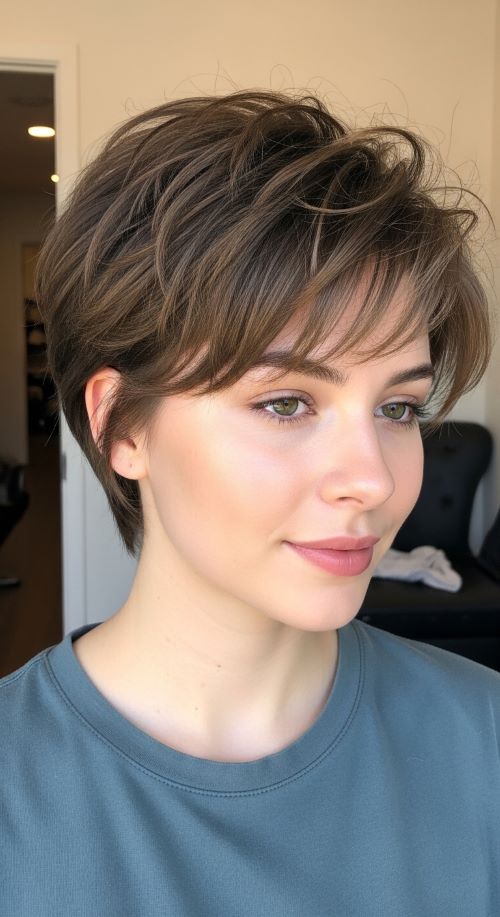
The textured crop pixie relies on uneven layering instead of precise lines. That texture disguises regrowth, stretching time between trims. Styling takes under a minute. Rub matte paste between your palms and tap it lightly into the ends for separation. Avoid the roots to keep hair airy. If hair dries flat, flip forward and shake it out. When cutting, ask for point-cut layers instead of blunt edges. This shape handles rushed mornings and hat hair well. The relaxed finish means hair rarely looks out of place, making it ideal for low-effort routines.
Side-Swept Pixie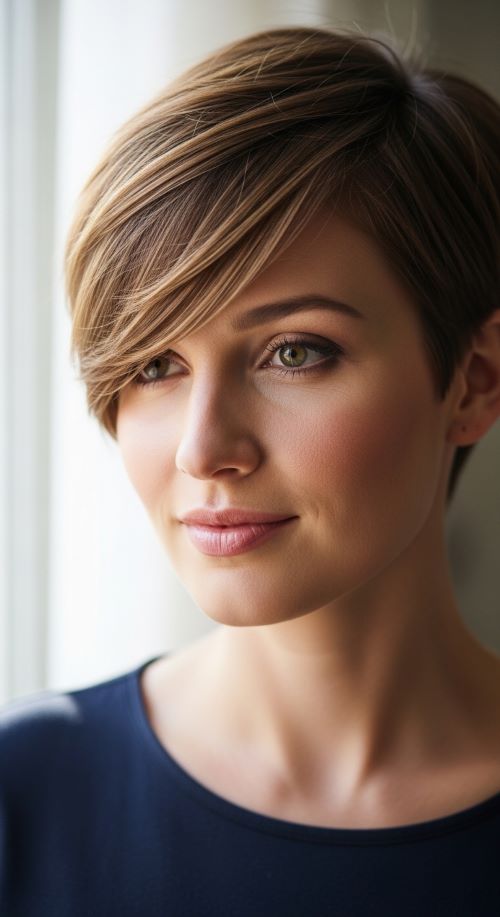
A side-swept pixie keeps extra length at the front for face framing while the sides stay short. Styling stays flexible. A quick finger sweep or light brush sets the direction. A touch of spray helps it stay put without stiffness. On busy days, pin the fringe back for a cleaner look. Ask for angled shaping through the front so it blends smoothly into the crown. Changing the part instantly alters the feel of the cut. This adaptability makes it suitable for workdays and relaxed weekends alike.
Classic Short Pixie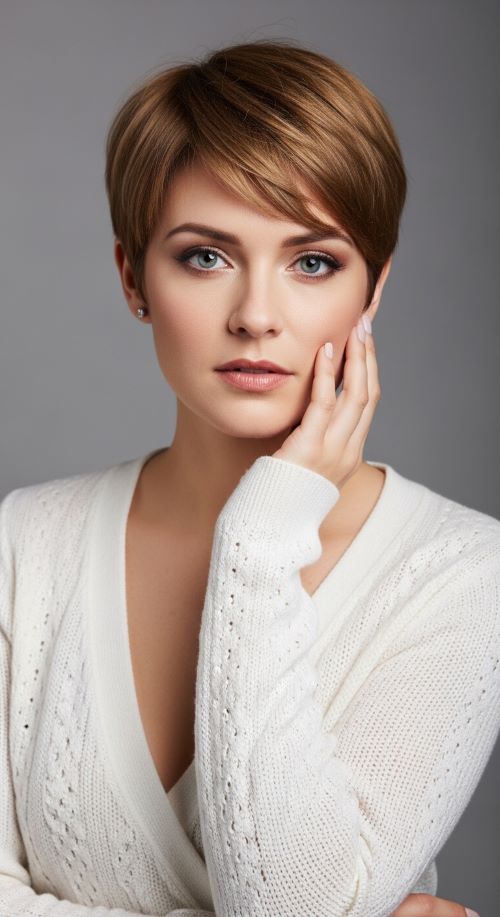
The classic short pixie focuses on balance and simplicity. Hair sits close to the head without feeling severe. Most mornings require little styling. A dab of smoothing cream controls stray strands, and air-drying works well. Home maintenance is manageable. Small trims around the ears keep the outline clean. Growth remains even, so missed appointments are less noticeable. This style pairs easily with natural hair color and straightforward routines. It’s a dependable option for anyone wanting short hair without daily styling demands.
Choppy Layer Pixie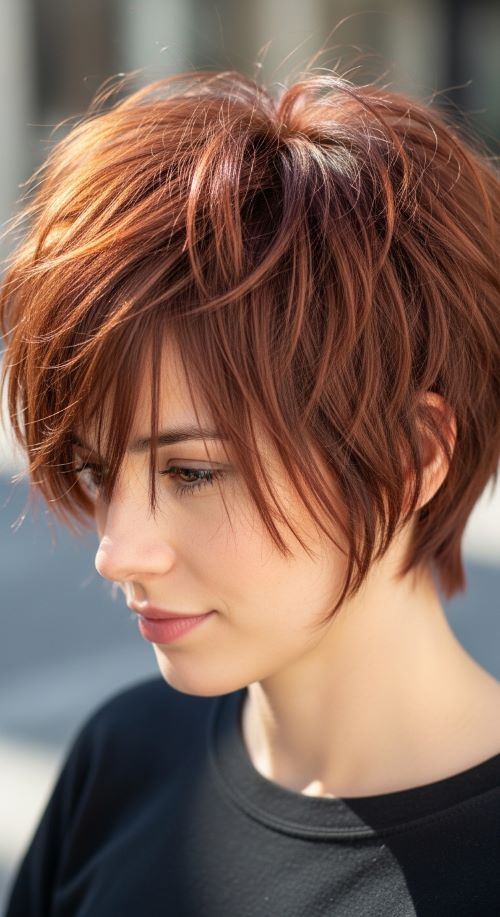
Choppy layers give this pixie built-in movement. The uneven finish creates shape without heavy styling. Use fingers and a small amount of wax to define sections. Twisting a few strands adds quick separation. Ask for irregular layering so regrowth blends smoothly. Dry shampoo works well for grip, even on clean hair. The relaxed structure makes rushed mornings easier. Hair rarely falls flat because the layering provides natural lift. This cut suits casual routines and keeps styling time minimal.
Pixie With Long Fringe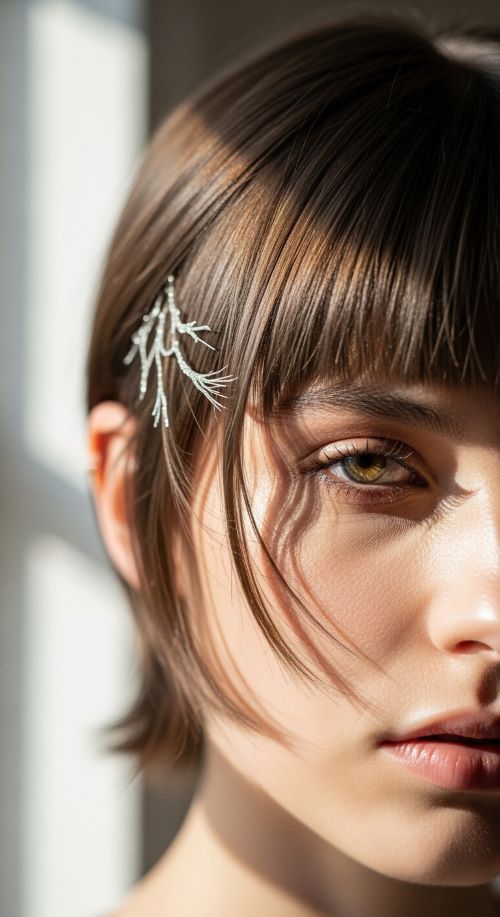
A pixie with a long fringe keeps styling options open. Wear it swept, tucked, or pinned back. The rest of the hair stays short for easy care. A quick pass with a flat iron can smooth the fringe if desired, but air-drying works too. Ask for a blended fringe instead of blunt bangs to keep styling relaxed. This shape helps during grow-out phases and softens facial features. It delivers versatility without adding complexity to daily routines.
Feathered Pixie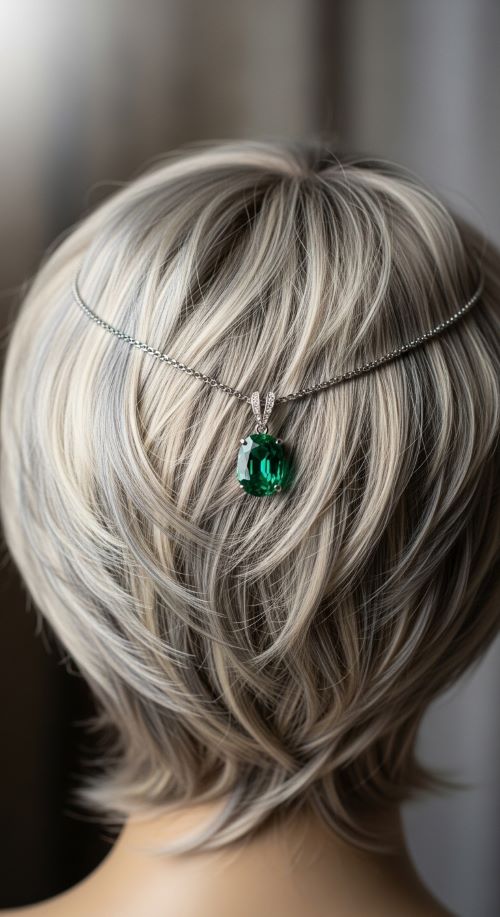
Feathered layers create a soft, airy shape that moves easily. Hair never feels heavy. A small amount of mousse scrunched into damp strands adds lift. Let it dry naturally for best texture. This cut suits fine to medium hair and works well with gentle crown layering. Growth blends smoothly, reducing the urgency for trims. The feathered finish keeps styling quick and approachable, making it a practical everyday option.
Pixie With Natural Waves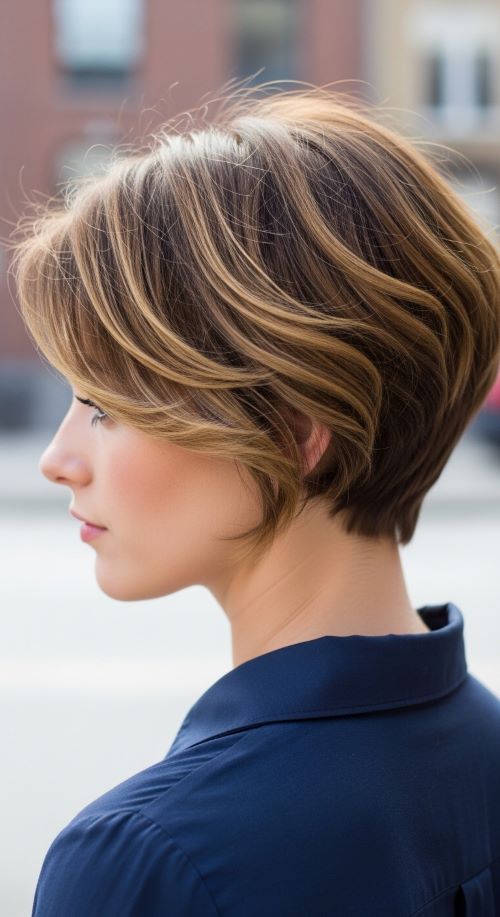
This pixie works with natural wave patterns rather than forcing straight styling. After washing, apply leave-in conditioner and let hair air-dry. Light scrunching enhances shape. Layers should follow the wave direction to prevent puffiness. Avoid heavy thinning. The result looks relaxed without tools. This approach cuts styling time and product use while keeping hair lively and wearable.
Close-Cut Pixie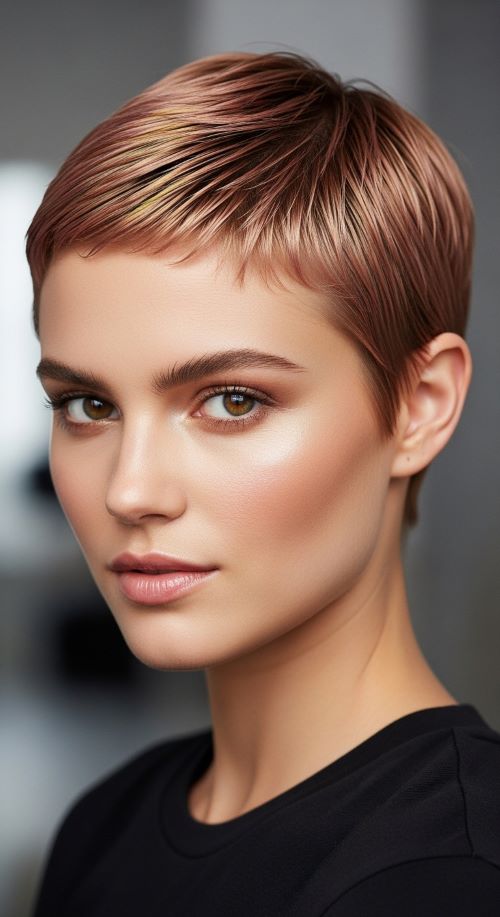
The close-cut pixie keeps hair extremely short and simple. Styling is nearly nonexistent. A drop of scalp oil adds shine if desired. Barbers often charge less for this length, and upkeep at home with clippers is straightforward. This cut suits warm weather and active routines. Less hair means less maintenance and faster mornings.
Pixie With Undercut Detail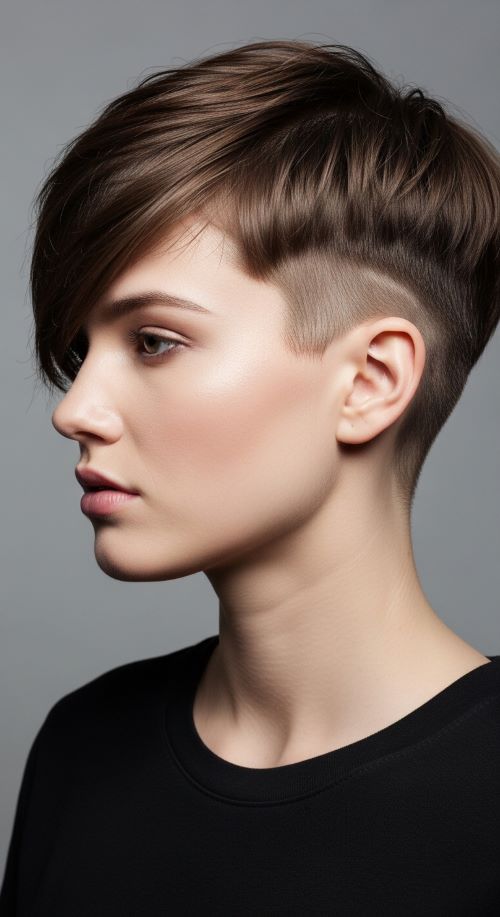
A subtle undercut adds personality without affecting daily care. The top layers conceal the detail, keeping the look wearable. Styling remains unchanged. Air-dry or finger-style as usual. Ask for a small, hidden section so regrowth stays manageable. This adds visual interest without increasing effort.
Messy Pixie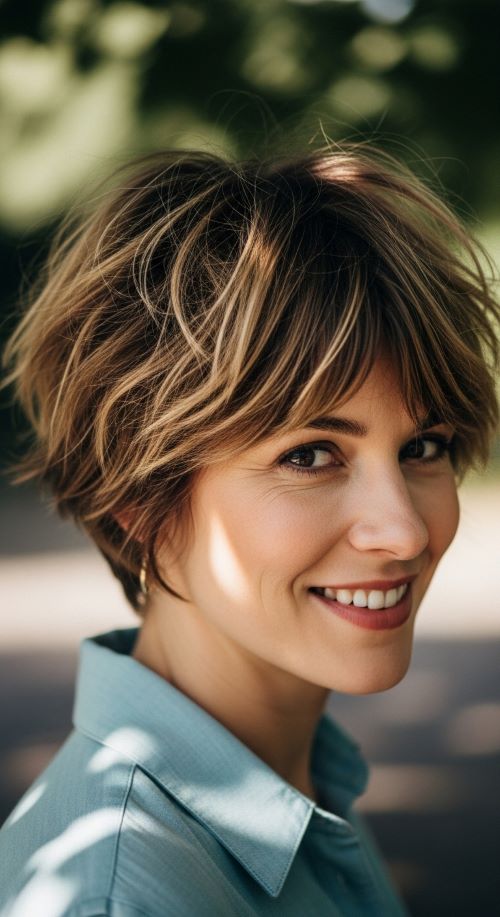
The messy pixie celebrates an undone finish. Uneven layers create natural lift. Apply dry shampoo or texturizing spray and tousle with fingers. Hair looks intentional even when styling time is short. This cut forgives skipped washes and rushed mornings. Its relaxed structure makes it ideal for everyday wear.
Pixie With Soft Bangs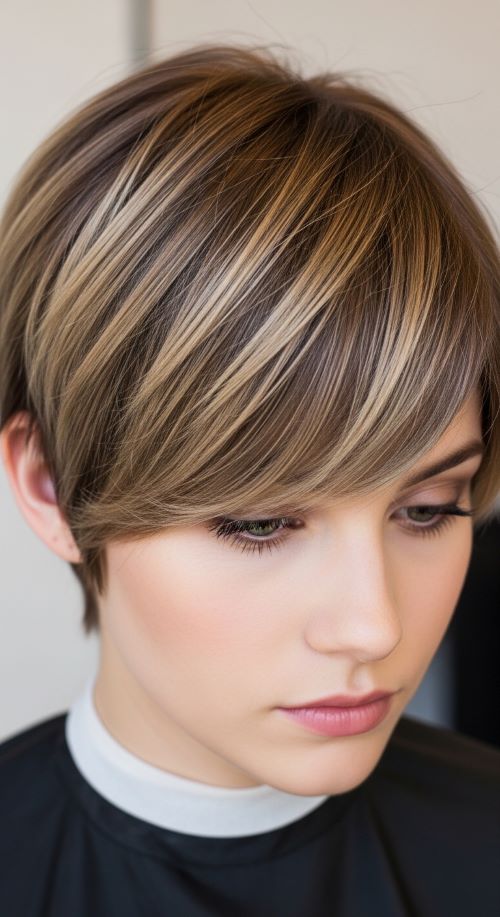
Soft bangs add gentle framing without heaviness. Trim vertically at home using small scissors for control. Styling is minimal. Let them fall naturally or tuck them behind the ears. This shape works across face types and keeps routines simple.
Low-Maintenance Pixie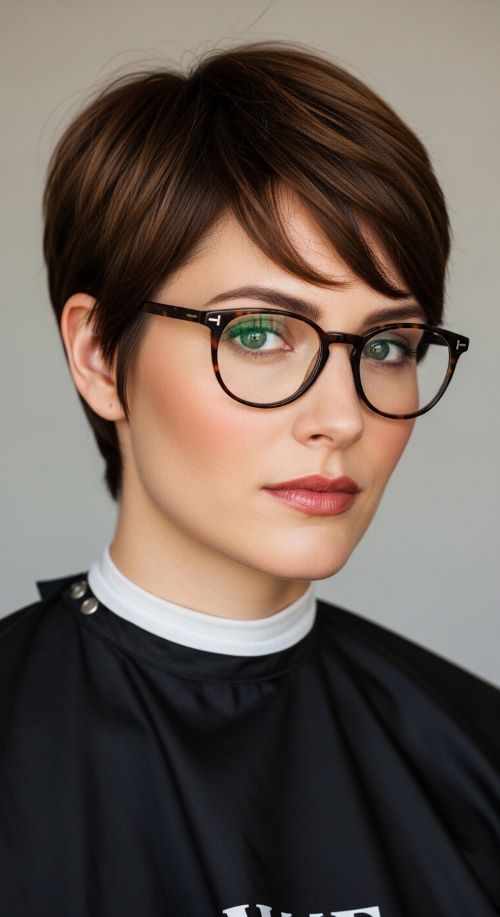
This pixie focuses on balanced proportions that grow evenly. Daily styling often isn’t required. Air-dry and go. Minimal trims keep the outline tidy. It suits tight schedules and reduces product reliance.
Pixie for Thick Hair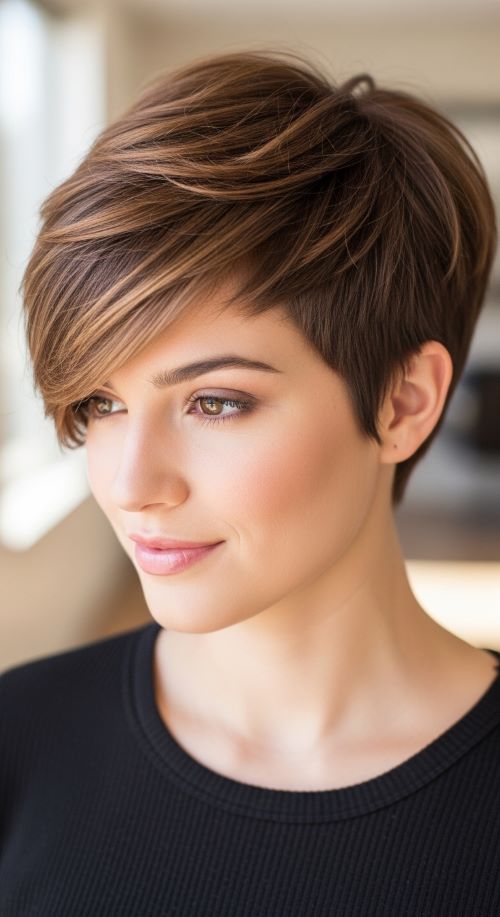
Thick hair benefits from internal layering that removes weight while preserving shape. A light smoothing cream manages flyaways. This cut keeps hair comfortable and structured without heavy thinning.
Pixie for Fine Hair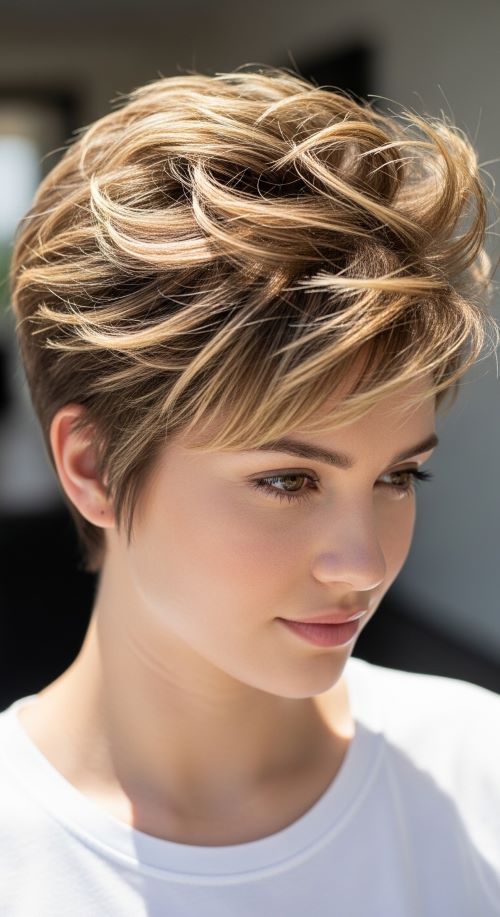
Short layers add fullness to fine hair. Use volumizing spray at the roots and keep products light. The shape provides built-in lift, reducing styling effort.
Curly Pixie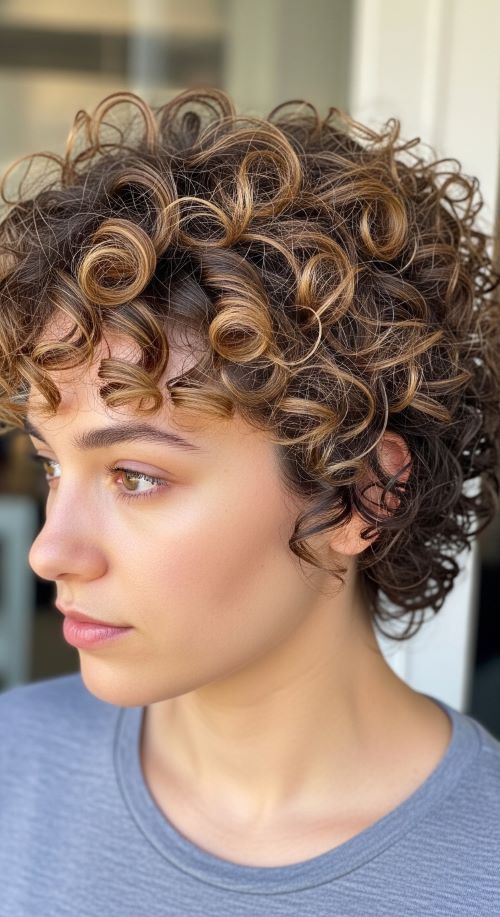
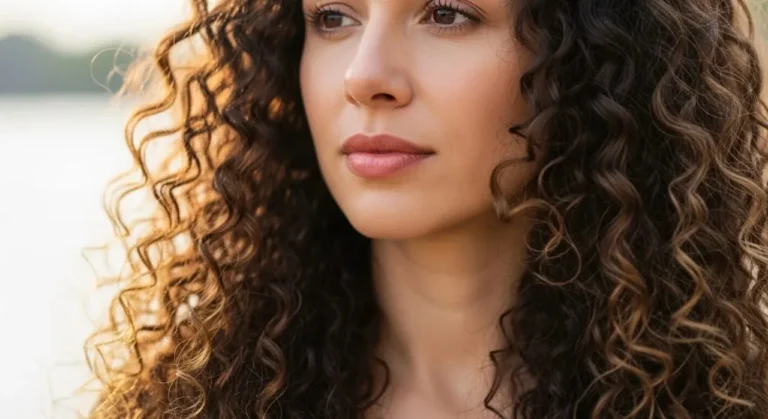
A curly pixie highlights natural texture. Apply curl cream to damp hair and let curls settle naturally. Finger styling maintains shape without heat. The result feels lively and manageable.
Pixie With Volume Crown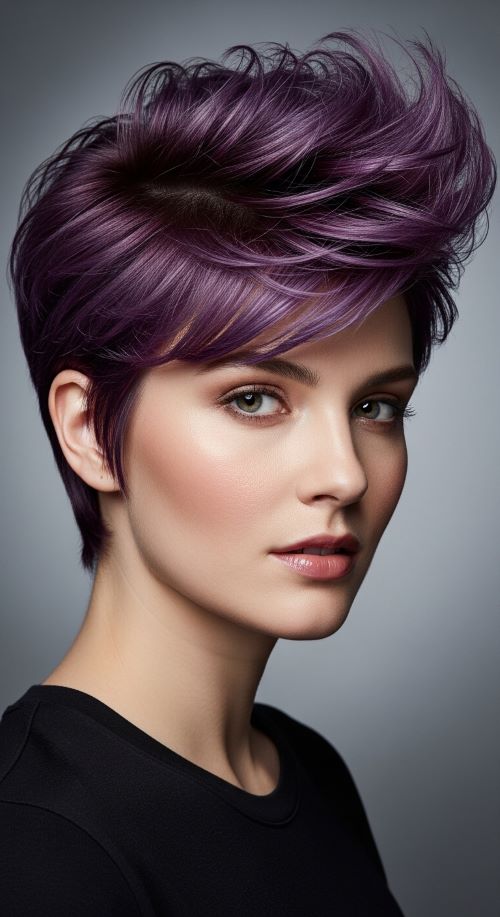
Extra height at the crown balances short sides. Light teasing or dry shampoo provides lift. This adds dimension without length or complicated styling.
Pixie With Tucked Sides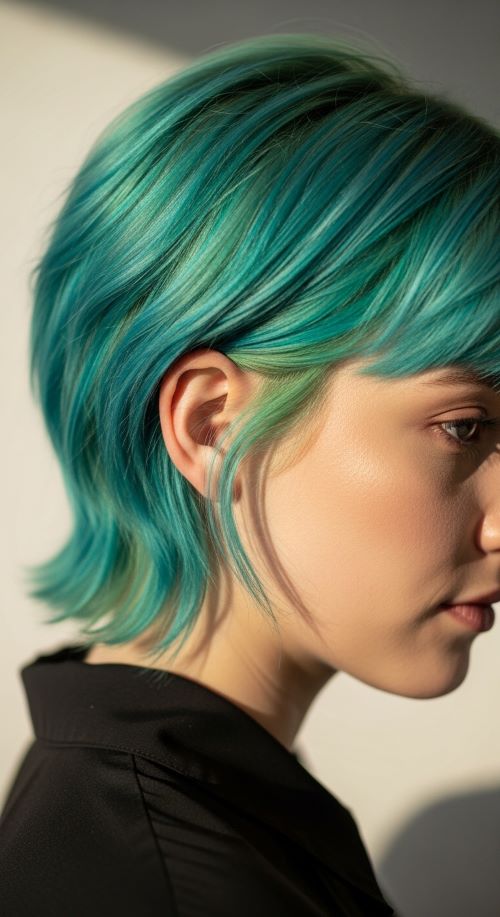
Tucked sides keep hair neat and practical. Fingers or small clips hold shape. This style works well for active days and professional settings.
Minimalist Pixie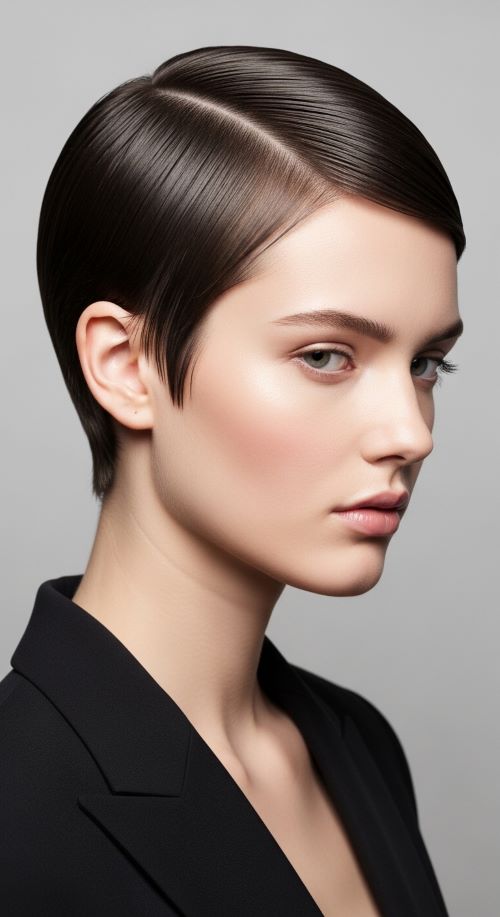
The minimalist pixie relies on clean shaping and simple proportions. Styling is optional. Regular trims maintain the outline. This cut suits straightforward routines.
Pixie With Face-Framing Pieces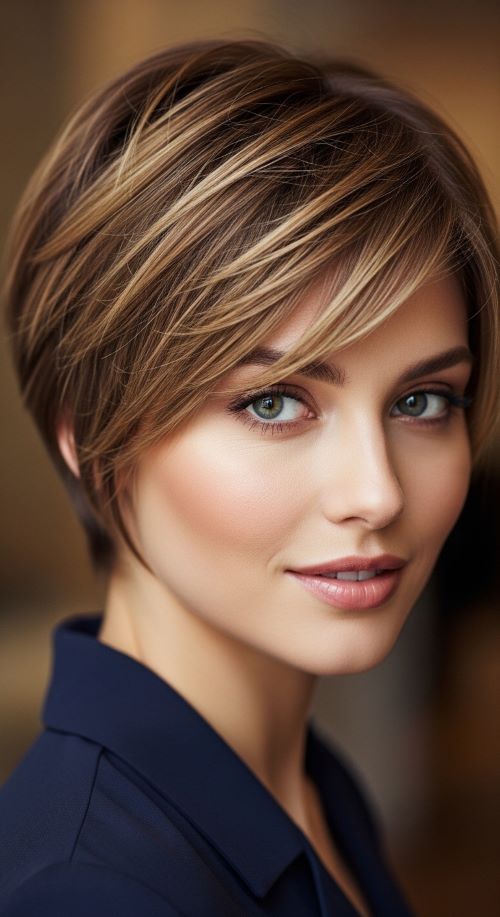
Longer pieces around the face soften the silhouette. Style with fingers or tuck them away. This adds flexibility without extra upkeep.
Grow-Out Friendly Pixie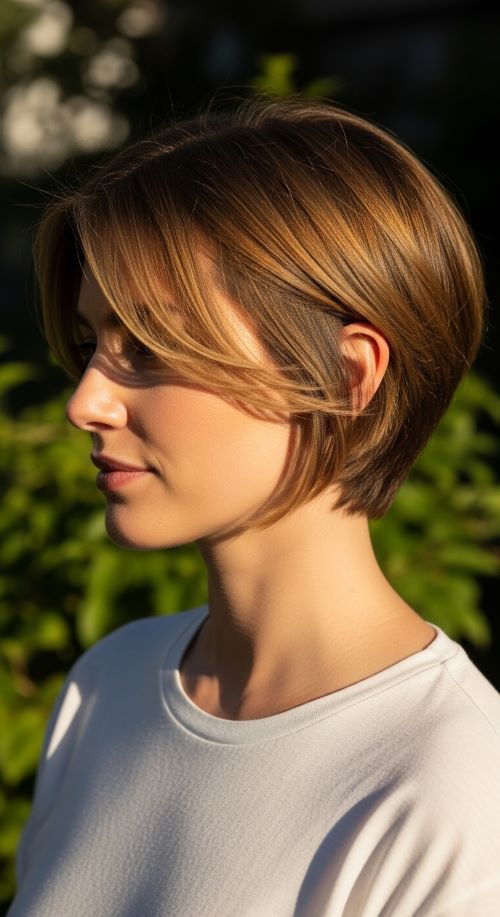
Balanced layering helps this pixie grow evenly. Awkward stages are minimized, reducing trim frequency. Styling remains simple throughout the process, making it a practical long-term choice.
Final Words
Modern pixie cuts succeed because they match everyday life. These styles focus on simple care, affordable upkeep, and quick styling habits. With the right shaping and a few easy techniques, short hair stays manageable and comfortable without extra tools or time. Choosing a pixie that aligns with your texture and routine makes daily styling easier while keeping the look polished.